$10–$200+: When to Choose a Car Wash or a Detail
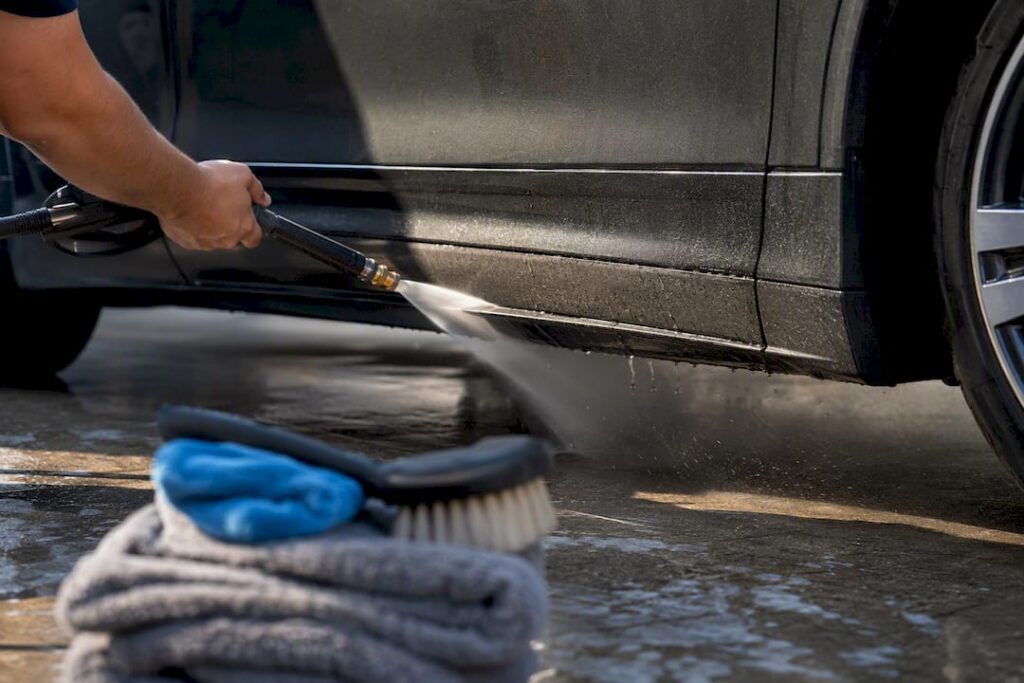
A car wash is fast exterior maintenance that clears away loose dirt, road film, and dust in a matter of minutes. Detailing is a slower, deeper process that decontaminates, corrects, and protects your paint and interior, often over several hours. Pick a wash for routine upkeep between $10 and $30 a visit, and a detail, usually $125 to $200 or more, when you need decontamination, paint correction, or long-term protection.
Table of Contents
- Detailing vs Car Wash: What Each Service Actually Covers
- What a Regular Car Wash Does: Types, Steps, and Limits
- What Professional Detailing Covers: Exterior, Interior, and Specialist Work
- At a Glance: Time, Cost, Purpose, and Frequency
- When to Choose a Wash, a Detail, or Both
- DIY Maintenance vs Professional Service: Know the Line
- Recommended Maintenance Schedule by Use and Exposure
- How MobileDetailing.io Helps You Find Local Mobile Detailers
- Car Wash vs Detailing: The Basic Definitions
- Environmental Impact and Water Usage for Each Service
- Common Misconceptions About Car Wash and Detailing
- Effects of Weather and Climate on Your Choice
- Get a Local Quote for Your Next Wash or Detail
- Sources
- FAQ
Detailing vs Car Wash: What Each Service Actually Covers
The confusion between these two services usually comes down to expectations. A wash keeps your car looking presentable week to week. A detail resets the condition of your paint and interior, then protects it going forward. Neither replaces the other, and that’s the core of the detailing vs car wash question most owners are really asking: not which is “better,” but which job needs doing right now.
Detailing and car washing solve different problems on different timelines. A wash is reactive housekeeping. A detail is proactive maintenance and, sometimes, restoration. Understanding that split is what makes the rest of this guide useful.
What a Regular Car Wash Does: Types, Steps, and Limits
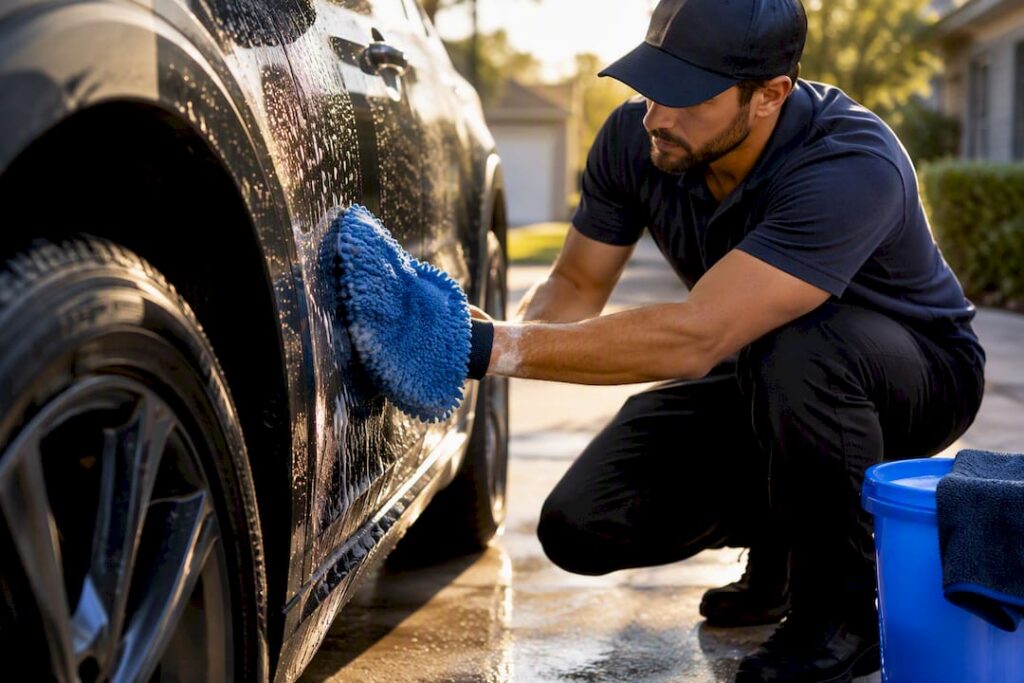
A car wash exists to remove surface dirt fast, not to fix or protect your paint long term. Most drivers encounter four formats: the automatic tunnel wash, touchless washes that skip physical contact entirely, hand washes performed by an attendant, and express in-bay systems common at gas stations.
The typical wash sequence is simple:
- A pre-soak or foam bath loosens surface grime
- Soap application, often with rotating cloth or foam brushes
- A high-pressure rinse to clear soap and debris
- Forced-air or towel drying
- A quick interior vacuum, if the package includes it
Most washes run 10 to 30 minutes, and pricing spans under $10 for a basic tunnel cycle up to around $30 for a premium package with sealant or tire shine add ons.
The limits matter as much as the process. A wash cannot strip bonded contaminants like brake dust or tree sap resin embedded in the clear coat. Interior cleaning is usually limited to a quick vacuum, not to stain treatment or upholstery conditioning. And some automatic brushes, especially older or poorly maintained ones, can introduce fine swirl marks over time.
Pro Tip: Treat bird droppings, bug splatter, and tree sap like small emergencies. Rinse them off within a day or two, since their acidic residue can etch clear coat faster than road grime ever will.
What Professional Detailing Covers: Exterior, Interior, and Specialist Work
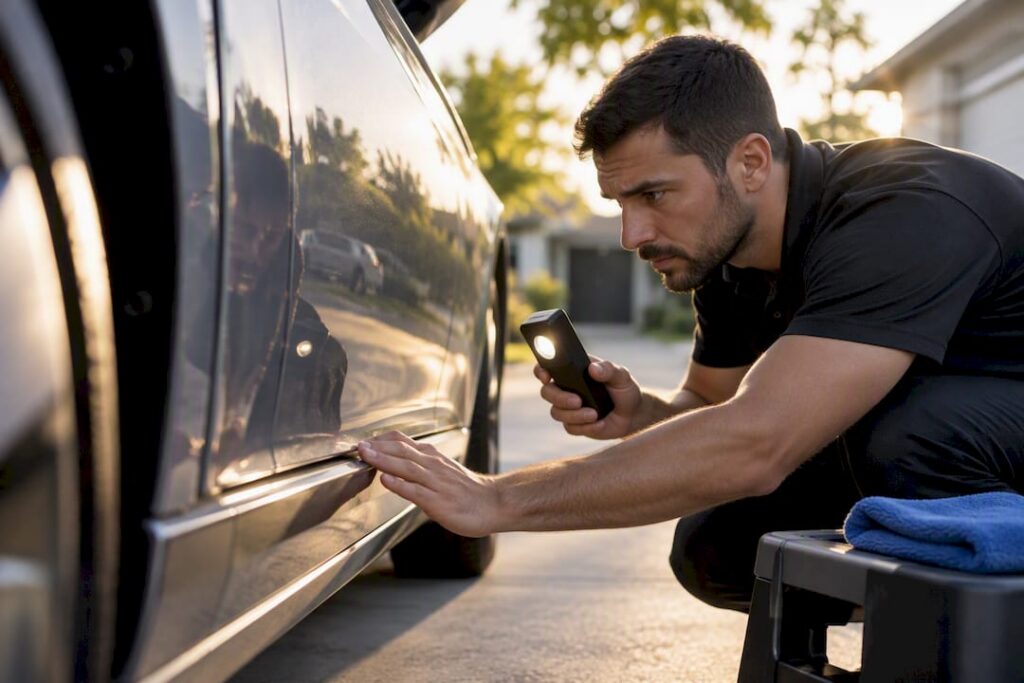
Detailing is built around three phases: decontaminate, correct, protect. The exterior workflow starts with a proper hand wash, then moves into decontamination using clay bars and iron-removal sprays. Those chemicals react with embedded metallic fallout from brake dust, loosening particles that no amount of soap and water will touch. From there, a detailer may polish out light swirls or perform full paint correction on more damaged finishes, then finish with a coat of wax, a paint sealant, or a ceramic coating for longer lasting protection.
The interior side runs parallel: full vacuum extraction, steam cleaning or wet extraction on carpets and upholstery, trim conditioning, and targeted treatment for stains and odors that a quick vacuum never reaches.
Detailing costs typically run a basic full detail on a sedan, typically priced in the mid triple digits range, with SUVs and trucks running higher for larger vehicles, and full paint correction or restoration jobs climbing well past that depending on the vehicle’s condition.
Many shops also offer add-on services priced and scheduled separately: engine bay cleaning, headlight restoration, multi-stage paint correction, and ceramic coating or paint protection film installation. An express detail might wrap in two to three hours; a full detail with correction and protection can stretch into a full day or longer.
- Engine bay degreasing and detailing
- Headlight restoration to clear yellowed lenses
- Multi-stage paint correction for swirls and scratches
- Ceramic coating or PPF application (separate pricing, separate time commitment)
Pro Tip: If a shop quotes you a flat “detail” price with no mention of paint condition, ask what happens if correction is needed. Reputable detailers assess the paint first and quote correction separately.
Wet sanding, aggressive compounding, and coating application involve real risk to your clear coat if done wrong. These are jobs for trained professionals, not weekend DIY projects.
At a Glance: Time, Cost, Purpose, and Frequency
| Service | Typical duration | Typical price range | Primary purpose | Recommended frequency |
|---|---|---|---|---|
| Automatic/tunnel wash | 10 to 30 minutes | under $10 | Surface dirt removal | Weekly to biweekly |
| Hand wash | 10 to 30 minutes | up to around $30 | Surface dirt removal, gentler on paint | Weekly to biweekly |
| Express detail | 2–3 hours | $125 to $200 or more | Light interior/exterior refresh | Every 2–3 months |
| Full detail | 3–6+ hours | $125–$200+ (sedan) | Decontamination, correction, protection | Every 3–6 months |
Detailing costs more because it costs more to deliver. Correction work and decontamination require specialized tools, chemical products, and hours of skilled labor a basic wash tunnel never touches. Routine washing between details actually lowers your long-term detailing costs, since contamination that never bonds to the paint is easier and cheaper to remove later.
No wash, no matter how premium, replaces what a detail does for bonded contaminants or damaged clear coat. If your car has embedded brake dust, oxidation, or swirl marks, only a proper decontamination and correction process addresses it.
When to Choose a Wash, a Detail, or Both
Match the service to the actual problem, not habit. Use this quick checklist:
- Is the car just dusty or road grimy? A wash handles it.
- Does the paint feel rough or gritty even after washing? That’s bonded contamination, a job for decontamination and detailing.
- Are you seeing swirl marks, fading, or dullness? You need correction, which is a detailing service, not a wash.
- Is there a stain, odor, or pet hair problem inside? A detail’s interior extraction handles it; a vacuum alone won’t.
- Are you prepping the car for resale or a big trip? A full detail boosts presentation and protects value.
- Just need it clean for the weekend? A wash is enough.
For most daily drivers, the winning rhythm combines both: a wash every one to two weeks to keep grime from building up, paired with a full detail every three to six months for decontamination and renewed protection.
DIY Maintenance vs Professional Service: Know the Line
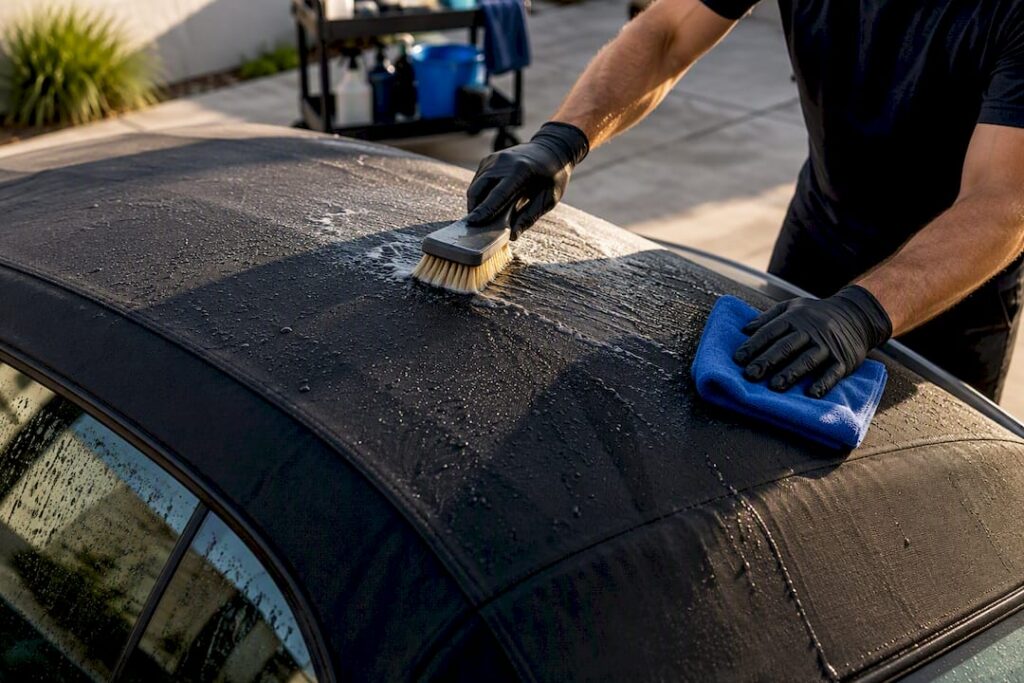
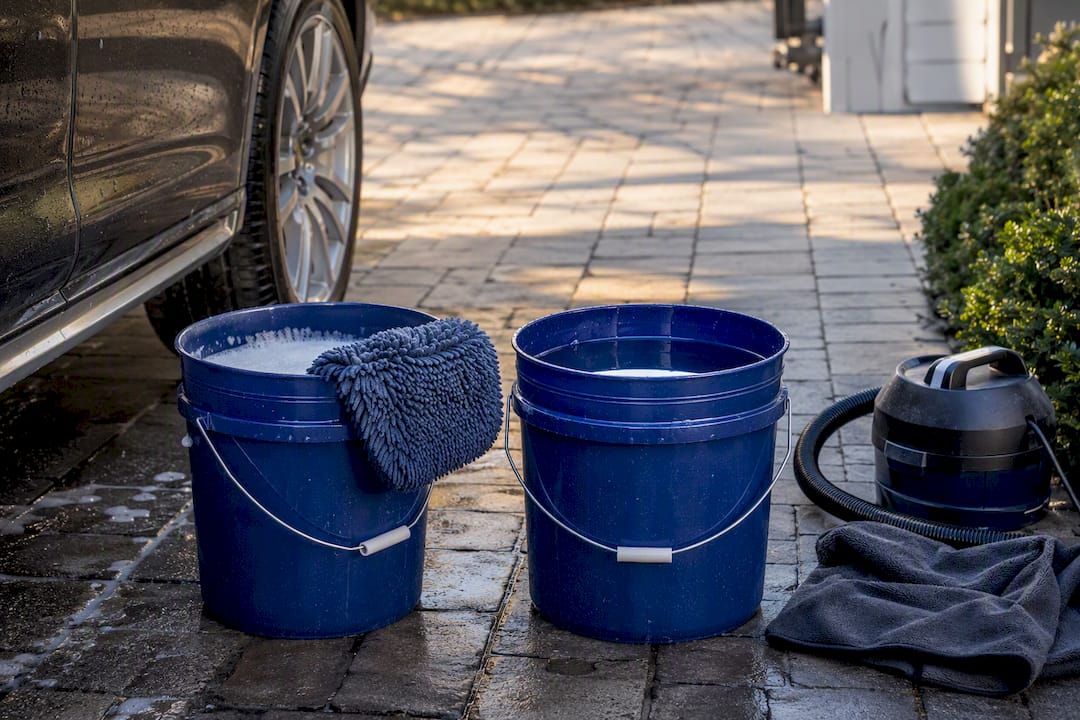
Plenty of maintenance is safe to handle yourself between professional visits. The two-bucket wash method (one bucket for soapy water, one for rinsing your wash mitt) cuts down on the swirl marks that come from dragging dirt across paint. Dry with a clean microfiber towel instead of letting water spot in the sun. Vacuum the interior regularly, treat fresh stains immediately, and keep a quick-detail spray on hand for light dust between washes.
What DIY can’t reliably deliver: clay bar decontamination done correctly, real paint correction, or a durable ceramic coating application. Heavy upholstery stains often need steam extraction equipment most owners don’t own.
Skip wet sanding and machine polishing unless you know exactly what you’re doing. Uncontrolled polishing can burn through clear coat before you notice, and that’s a repair bill nobody wants. When in doubt, consult a professional detailer.
Pro Tip: If your car has a ceramic coating, stick to pH-neutral shampoo between visits. Products like a ceramic-safe shampoo help maintain hydrophobic performance instead of stripping it prematurely.
Recommended Maintenance Schedule by Use and Exposure
Your ideal schedule depends on how and where you drive, not a one-size-fits-all calendar.
- Daily driver, typical exposure: wash every 1–2 weeks, full detail every 3–6 months
- High exposure (coastal salt air, heavy pollen, gravel roads, long commutes): wash weekly, detail every 2–3 months
- Stored or seasonal vehicle: wash less frequently, but decontaminate thoroughly before storage to prevent contaminants from etching in during downtime
Seasonal timing matters too. After winter road salt exposure, a decontamination pass helps stop corrosion before it starts. Heading into summer, a fresh coat of sealant or ceramic protection adds a buffer against UV fading and heat damage.
Sticking to regular washes between details isn’t just cosmetic upkeep. It keeps contamination from bonding to the clear coat in the first place, which means each future detail takes less time and costs less than restoring a neglected finish.
How MobileDetailing.io Helps You Find Local Mobile Detailers
MobileDetailing.io is a nationwide directory that connects vehicle owners with local mobile detailing professionals. You can search by location, filter for the specific services you need, whether that’s a full interior detail, ceramic coating, or paint correction, then request quotes and compare businesses based on their listed services and customer reviews.
Before booking anyone, take a few minutes to check reviews and ask direct questions about experience with paint correction or coatings if that’s what your car needs. A detailer who’s upfront about assessing your paint condition before quoting a price is usually one worth trusting.
Car Wash vs Detailing: The Basic Definitions
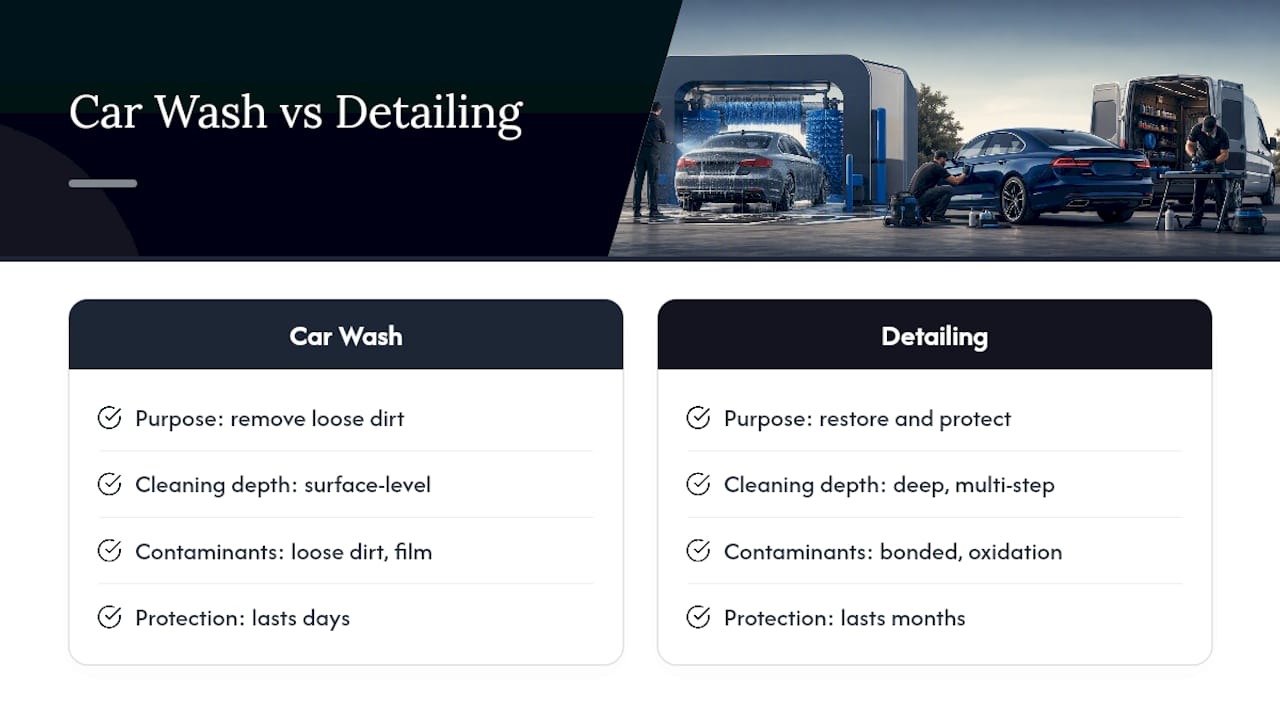
A car wash is a quick exterior cleaning service focused on removing loose dirt, dust, and road film from your vehicle’s surface. It’s routine maintenance, comparable to sweeping a floor: fast, frequent, and necessary, but not deep cleaning.
Car detailing is a comprehensive, multi-step service that cleans, decontaminates, corrects, and protects both the exterior and interior of a vehicle. It goes beyond visible dirt to address bonded contaminants, oxidation, minor paint imperfections, and interior grime that build up over months of driving.
The industry sometimes uses the term “detailing services” broadly to cover everything from a basic interior/exterior refresh to specialized offerings like paint correction and coating installation. If you’re searching for “detailing vs car wash” content, it helps to know that “detailing” isn’t a single fixed service. It’s a spectrum ranging from an express detail to a full multi-day restoration.
The practical takeaway: a wash maintains what’s already clean. A detail restores condition and adds protection that lasts months, not days.
Environmental Impact and Water Usage for Each Service
Water use is one of the more overlooked differences between these services. Commercial tunnel washes generally use recycled water systems and metered nozzles, which tend to use less water per vehicle than a garden hose wash at home. Touchless washes rely more heavily on chemical cleaners since there’s no physical agitation, which means more surfactant runoff if the facility doesn’t treat wastewater properly.
Detailing sessions, particularly full details with steam extraction and pressure washing, generally take longer and can use more water overall simply because the process is longer and more thorough. However, professional detailers often use controlled, low-flow equipment and capture or filter runoff more carefully than a typical driveway wash, where soapy water frequently runs straight into storm drains untreated.
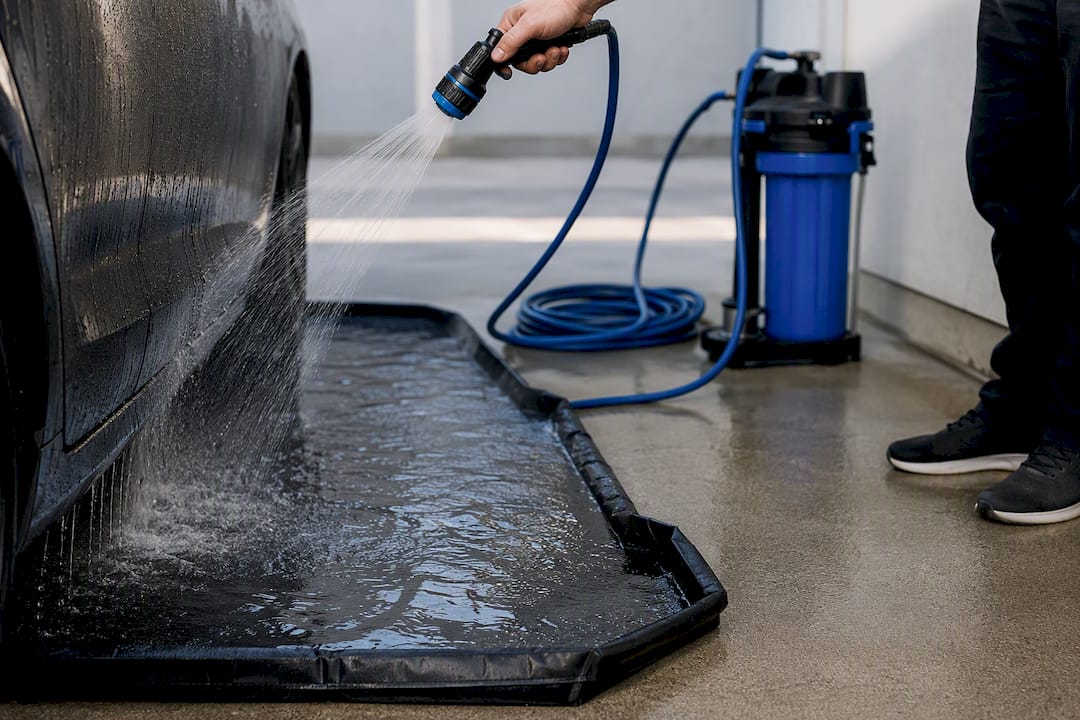
If environmental impact matters to your decision, look for detailers and wash facilities that mention water reclamation systems or waterless/rinseless product lines. Waterless wash products, which use lubricating polymers instead of a hose, have become common for spot cleaning and light maintenance, cutting water use to nearly zero for that particular job. They’re not a substitute for full decontamination, but they’re a reasonable option for quick touch-ups between scheduled washes or details.
Common Misconceptions About Car Wash and Detailing
The biggest myth is that a wash and a detail are just different price points for the same service. They’re not. A wash cleans surface dirt; a detail addresses what’s bonded to the paint and what’s degrading the interior, jobs a wash was never designed to do.
Another common misconception: waxing your car at home is the same as professional paint protection. A basic consumer wax adds shine and light protection for a few weeks. Professional sealants and ceramic coatings, applied after proper decontamination, last months to years and require a completely different application process.
Some owners also assume automatic car washes are always harmful to paint. That was truer decades ago with abrasive cloth brushes. Many modern tunnel washes now use soft foam materials or touchless systems specifically to reduce swirl risk, though quality still varies by facility.
Finally, there’s a belief that detailing is a luxury reserved for exotic or collector cars. In practice, it’s routine maintenance for any vehicle an owner wants to keep looking good and holding its resale value, not an occasional splurge for rare vehicles only.
Effects of Weather and Climate on Your Choice
Climate shapes how often you need each service more than most owners realize. In regions with heavy winter road salt, that salt bonds to your undercarriage and lower panels fast, and a quick wash removes surface salt but not what’s already working into seams and joints. A decontamination-focused detail after salt season removes what routine washing leaves behind.
Coastal climates bring a different problem: salt air and higher humidity that accelerate oxidation on unprotected paint. If you live near the coast, shortening your detailing interval, closer to every two to three months, helps keep protective coatings intact and paint from dulling prematurely.
Hot, sun-heavy climates put more strain on UV protection. Wax and sealants break down faster under intense sun, so a detail timed before summer, with a fresh protective layer applied, buys extra defense against fading and clear coat degradation. In areas with frequent dust storms or gravel roads, more frequent washing between details prevents abrasive particles from grinding into the paint every time you wipe it down.
Get a Local Quote for Your Next Wash or Detail
Whether you’ve decided your car needs a quick wash, a full detail, or a combination on a regular schedule, finding the right professional shouldn’t mean calling around town for quotes. 
MobileDetailing.io lets you skip that legwork. Enter your zip code, choose the service you need, whether that’s a basic exterior detail, interior deep clean, or ceramic coating consultation, and request quotes directly from mobile detailing professionals who serve your area. You can compare listed services, check customer reviews, and reach out to a few providers before committing to one.
If you’re ready to stop guessing which local detailer fits your budget and your car’s needs, get a local quote and compare your options today.
Sources
- Car Detailing: How It Works & Average Pricing | Synchrony
- Car Wash vs Detailing: When Do You Need Each? | Jax Kar Wash
- Autogeek / CarPro iron remover overview
FAQ
Is Detailing Worth It Compared to Just Washing?
Yes, for most daily drivers. Detailing removes bonded contaminants and adds protection a wash can’t provide, and regular detailing every 3 to 6 months typically costs less over time than letting damage accumulate and require restoration later.
How Often Should I Get My Car Detailed vs Washed?
Wash every one to two weeks for routine dirt removal, and schedule a full detail every three to six months depending on your exposure to salt, sun, or heavy road grime.
Can a Car Wash Remove Swirl Marks or Oxidation?
No. Swirl marks and oxidation require paint correction, a detailing service involving polishing and compounding, not something a standard wash cycle addresses.
Is It Safe to Do Paint Correction or Ceramic Coating Myself?
It’s risky without training. Improper machine polishing can remove too much clear coat, so professionals recommend leaving correction, wet sanding, and coating application to trained detailers.
Where Can I Find a Trustworthy Mobile Detailer Near Me?
MobileDetailing.io lists local mobile detailing professionals by service area, letting you compare reviews and services before requesting a quote for the specific work your car needs.
MobileDetailing.io provides general educational information. Products, surfaces and vehicle finishes vary. Follow manufacturer instructions and consult a qualified detailing professional before using abrasive processes or chemical treatments.