Lab Claims: Ceramic Coating Lifespan for Car Owners, 1–7+ Years
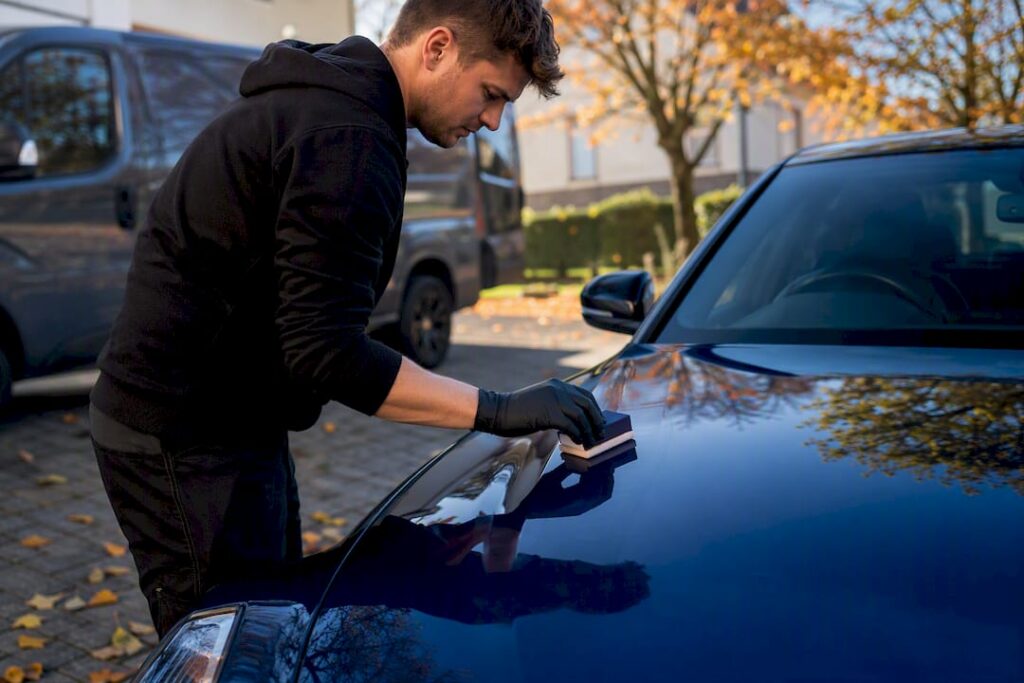
Realistic ceramic coating lifespan varies from a shorter duration for DIY kits on daily drivers, a moderate duration for prosumer products with good care, to a longer duration for professionally applied systems on garage-kept cars. Spray boosters extend the life by some months, but not years. Manufacturer claims like “5-year” or “9H” on bottles represent lab test maxima, not guaranteed durations. Where your car actually lands depends on installation quality, how it’s parked, and how it’s washed.
- DIY ceramic coatings typically last one to two years, while prosumer options can reach up to four years with proper maintenance.
- Professional-grade systems, installed with thorough prep, can last four to seven or more years, especially on garage-kept cars.
- Environment, washing habits, and surface preparation are the primary factors influencing coating longevity more than the product chemistry itself.
- Regular boosters extend protection for months but do not replace the need for a full reapplication when the coating wears out.
- Proper surface prep and avoiding automated brush washes are crucial to maximizing ceramic coating lifespan and maintaining its effectiveness.
Table of Contents
- Ceramic Coating Lifespan by Installation Tier
- What Actually Controls How Long Your Coating Survives
- Signs Your Coating Is Wearing Out
- Building a Maintenance Routine That Extends Coating Life
- What a Booster Regimen Costs vs. a Full Recoat
- Why the Prep Conversation Matters More Than the Product Pitch
- Get Quotes From Local Ceramic Coating Pros
- Sources
- FAQ
Ceramic Coating Lifespan by Installation Tier
The gap between a $30 DIY bottle and a $1,200 professional install isn’t marketing. It’s chemistry, prep, and film thickness, and it shows up in years, not months.
- Consumer DIY kits (SiO2 spray or wipe-on): 1 to 2 years on a vehicle parked outside and washed regularly. These coatings sit thin and rarely get the paint decontamination a pro would do first.
- Prosumer kits (higher-percentage SiO2, longer cure): 2 to 4 years with careful application and consistent maintenance.
- Professional-grade coatings (ceramic or polysilazane-based systems): 4 to 7-plus years, and that range assumes proper multi-stage prep and a controlled cure environment, according to CarCareTruth’s field-life analysis.
- Spray boosters and top-ups: Months per application, not years. They refresh hydrophobic behavior between coats but never replace the base layer.
Parking is the single biggest wild card. A pro-installed coating on a garaged commuter car can hit that upper five to seven-year window. Put the same coating on a car that lives outside, gets washed at an automatic brush tunnel, and sits under direct sun for eight hours a day, and you’re realistically looking at the lower half of that range or worse. UV dose alone can shave years off a lab-rated lifespan.
What Actually Controls How Long Your Coating Survives
Two cars with the identical coating, applied the same week, can age completely differently. The variables that separate them aren’t mysterious. They’re prep, chemistry, environment, and how the car gets washed.
Surface prep matters more than the product you choose. Beasley’s breakdown of coating failures](https://www.drbeasleys.com/blog/2026/04/03/why-ceramic-coatings-fail-and-what-actually-makes-them-last). A coating can only bond as well as the paint underneath lets it.
Coating chemistry plays a smaller role than most buyers assume. Basic SiO2/sol-gel formulas cure into a functional layer but wear faster under abrasion. Polysilazane-based coatings cross-link into a harder, more chemically resistant film, which is part of why professional systems skew toward the longer end of the range.
Environment does real damage over time: UV breaks down the resin matrix, coastal salt air accelerates chemical wear, acid rain etches unprotected spots, and repeated hot-to-cold cycling stresses the bond line.
Wash habits either protect that investment or erode it. Automated brush washes introduce grit that scratches through the coating; washing too infrequently lets bonded contaminants sit and etch.
- Prep quality: the single biggest predictor of early failure or full-term success
- Chemistry: polysilazane systems generally outlast basic SiO2 formulas
- Environment: UV, salt, and acid rain each shorten field life independently
- Wash method: brush tunnels and infrequent washing both accelerate wear
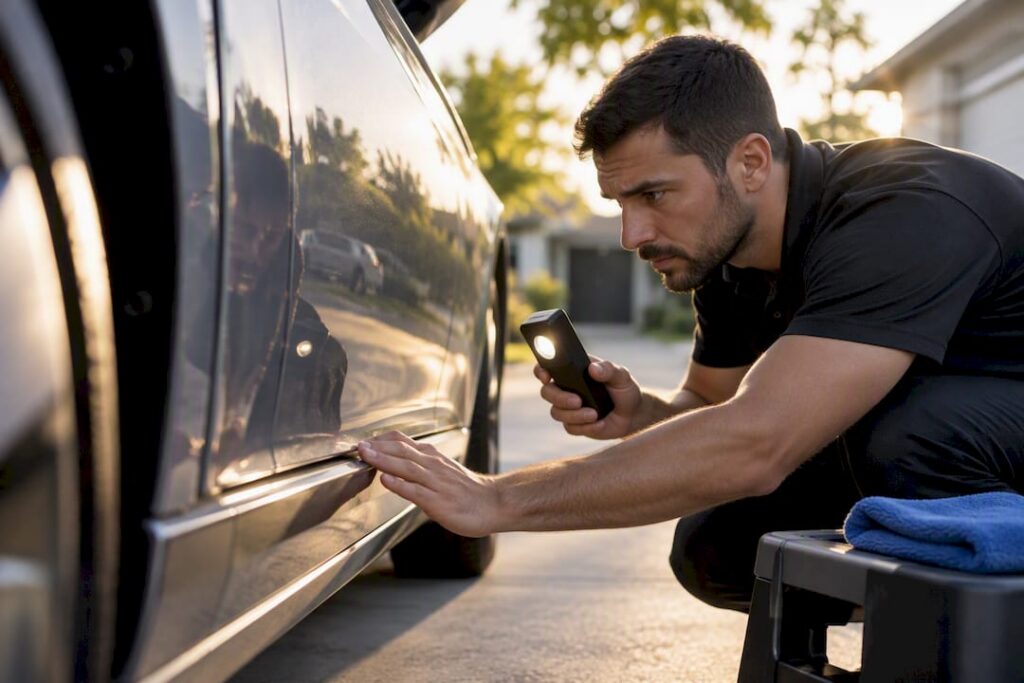
Pro Tip: Ask any installer what decontamination steps they run before coating (clay bar, iron remover, panel wipe) and refuse to skip it, even if it adds a day to the timeline.
Signs Your Coating Is Wearing Out
A coating doesn’t fail all at once. It degrades gradually, and there are a few reliable signs to watch for before you’re stuck guessing.
- Water stops sheeting and starts sitting. Reduced beading, flatter droplets, or water that spreads instead of rolling off signals the hydrophobic layer is thinning.
- Gloss softens. A coating that once looked wet and reflective starts reading flat or hazy under direct light.
- Dirt clings harder. If bugs, tar, and road film suddenly need real scrubbing instead of a rinse, the slick surface that used to release contaminants is gone.
- Run the bead test. Pour water on a clean panel. Tight beads that slide off at a slight tilt mean the coating is still active. Flat puddles mean it’s tapped out.
If beading is weak but gloss still looks decent, a booster usually buys you real time. If gloss is gone and dirt won’t release even after a wash, you’re past the point boosters fix. That’s a strip-and-recoat situation, not a top-up.
Building a Maintenance Routine That Extends Coating Life
The owners who get the most out of a coating aren’t lucky. They’re consistent about three things: how they wash, how often they boost, and how they handle seasonal exposure.
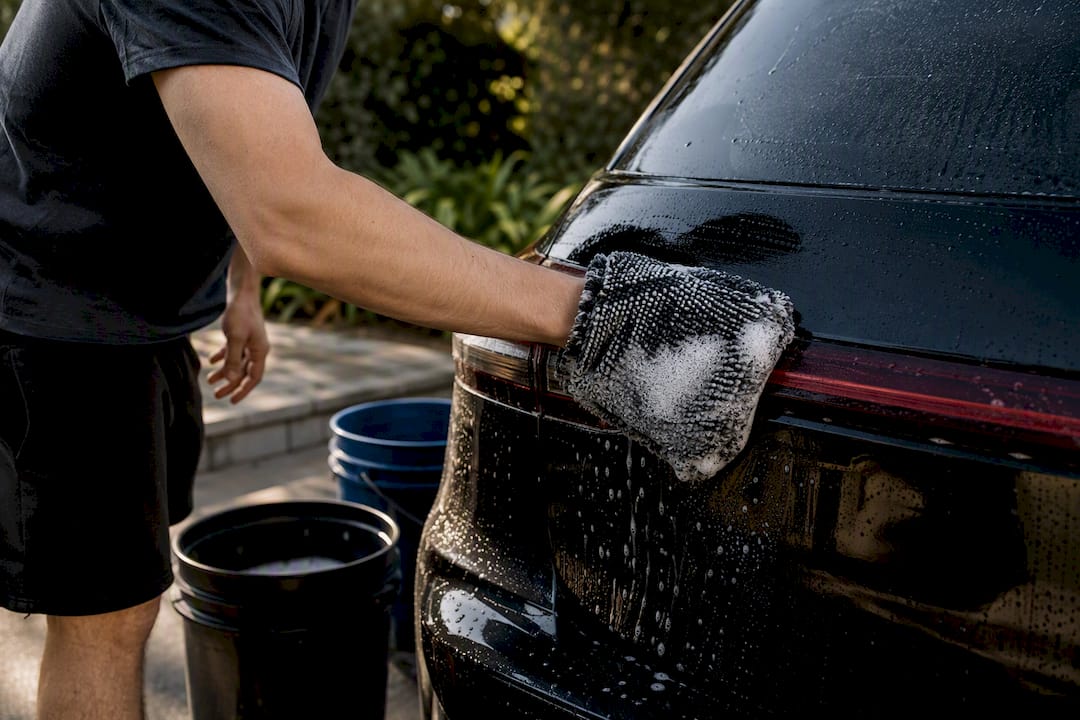
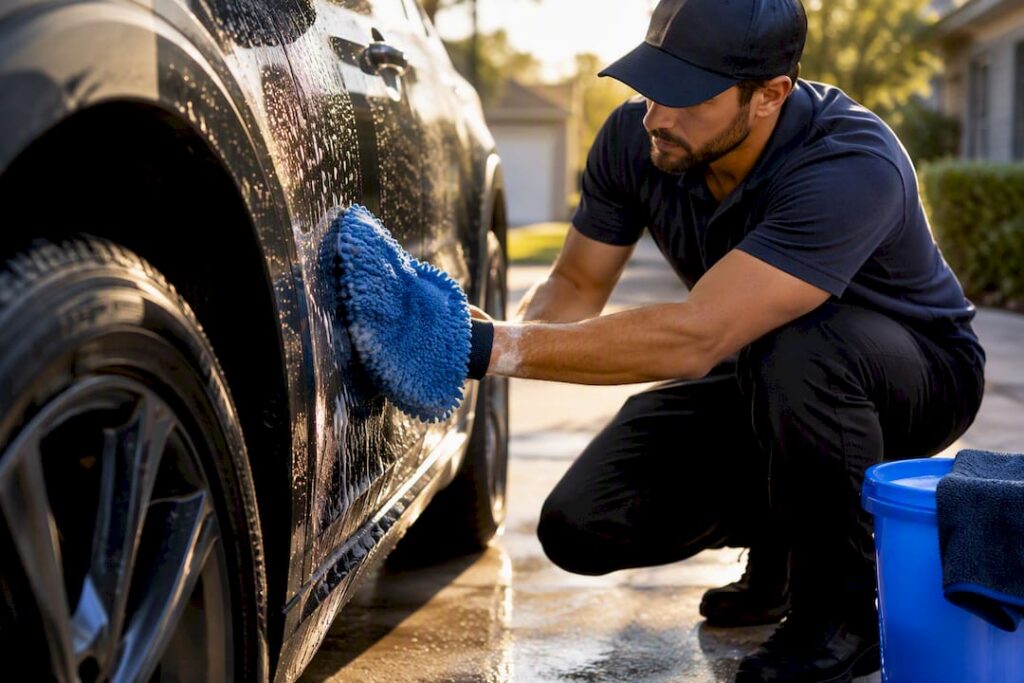
Wash technique: Use the two-bucket method with a pH-neutral shampoo, and dry with a clean microfiber or a blower to avoid introducing swirl marks that dull the surface over time. Skip automated brush tunnels entirely; touchless washes are the safer commercial option if you can’t wash at home.
Booster cadence depends on tier and exposure. A garage-kept, professionally coated car might only need a booster once a year. A prosumer coating on a car parked outside in a high-UV climate does better with boosters every three to four months. Spray boosters are genuinely short-lived reinforcements, not a substitute for the base coating, so budget them as ongoing upkeep rather than a one-time fix.
- Wash weekly to biweekly with pH-neutral soap and the two-bucket method
- Boost quarterly for outdoor cars, semiannually for garage-kept ones
- Check for winter road salt buildup and rinse the undercarriage after exposure
- Inspect gloss and beading each season, especially before and after summer
Owners who follow a boost-and-wash routine also tend to preserve hydrophobic performance well past the low end of their coating’s expected range, per Chemical Guys’ maintenance guidance.
What a Booster Regimen Costs vs. a Full Recoat
Rough numbers help more than vague reassurance here. A DIY kit runs $30 to $80. A prosumer kit lands around $100 to $300. A full professional install typically costs $600 to $1,500 depending on paint condition and the coating system used.
Run the five-year math and the picture gets clearer. Buying boosters every quarter at $20 to $40 each adds up to roughly $400 to $800 over five years, and you’re still working with a base coating that’s aging out. A single professional install at $1,000, maintained with occasional boosters, often costs less over that same window while delivering better gloss and protection the whole time.
- DIY kit: $30 to $80, expect 1 to 2 years of protection
- Prosumer kit: $100 to $300, expect 2 to 4 years with upkeep
- Professional install: $600 to $1,500, expect 4 to 7-plus years with maintenance
Warranties complicate the math further. Many manufacturer and installer warranties require annual inspections and documented maintenance to stay valid, according to Nasiol’s explainer on durability claims. If you skip the inspection, the warranty can lapse even if the coating is still holding up fine, or vice versa. A warranty is paperwork protection, not a guarantee that your specific car will hit the advertised year mark.
Why the Prep Conversation Matters More Than the Product Pitch
Most owners shop for ceramic coating the way they’d shop for a phone case: compare the specs on the box, pick the highest number, done. That’s backwards. The coating chemistry matters far less than what happens to the paint before the coating ever touches it.
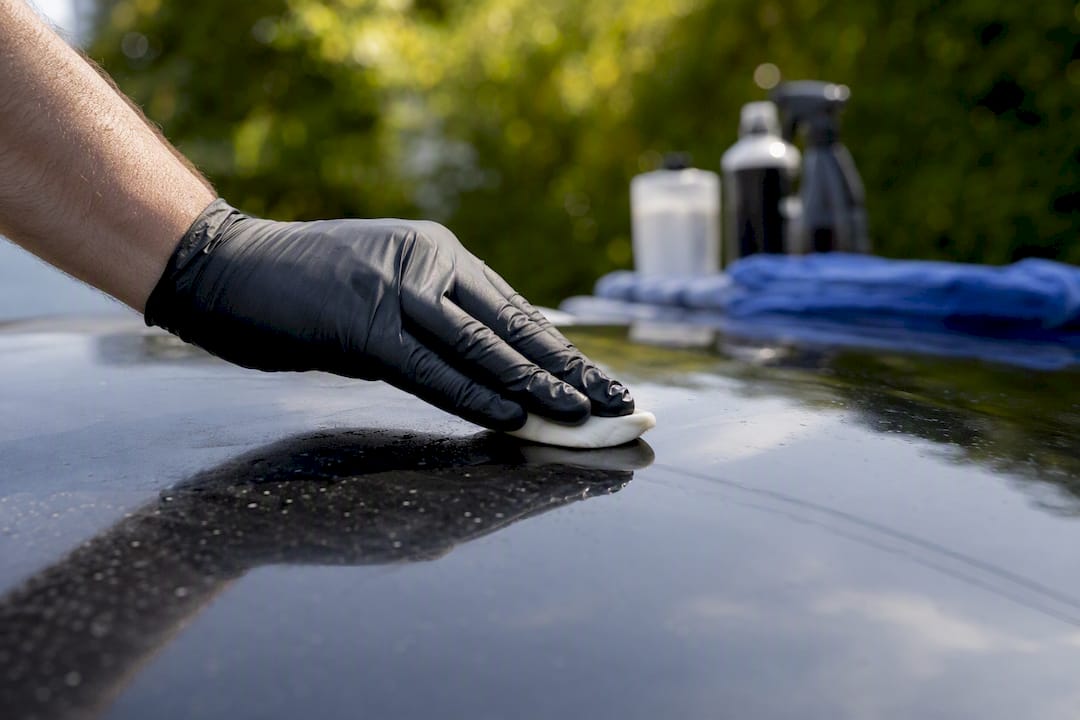
Mobiledetailing exists precisely because that prep conversation rarely happens at the counter of a retail bottle. The directory connects vehicle owners with local mobile detailing professionals who handle interior and exterior detailing, paint correction, and ceramic coating installations, letting owners compare real reviews and request quotes before committing.
The uncomfortable truth in this category is that a $200 basic coating with flawless decontamination will outlast a $2,000 premium coating applied over swirl marks and residual polish oil. If you remember one thing from this guide, make it that prep isn’t a line item you can shortcut to save money. It’s the variable that decides whether you get two years or seven.
— John
Get Quotes From Local Ceramic Coating Pros
Skipping the guesswork on installer quality is the real advantage here. Instead of calling around or hoping a search result has good reviews, Mobiledetailing lets you compare local mobile detailing professionals side by side, see their photos and customer reviews, and request quotes for ceramic coating and the paint correction that should come before it.

If you’re leaning toward a professional recoat based on the signs covered above, use that comparison to ask the right questions upfront: what decontamination steps are included, what coating system they use, and what the warranty actually requires to stay valid. Search local detailing pros on Mobiledetailing.io and request quotes before you commit to a shop.
Sources
For deeper technical detail on lab testing methods and failure causes, see CarCareTruth’s field-life guide, Nasiol’s durability claims breakdown, and Dr. Beasley’s failure analysis.
- How Long Ceramic Coating Actually Lasts · CarCareTruth
- Ceramic Coating Durability: What 3, 5 & 10-Year Claims Mean
- How Long Does Ceramic Coating Last? | Chemical Guys
FAQ
How long does ceramic coating actually last?
Realistically, one to two years for DIY kits, two to four years for prosumer products, and four to seven-plus years for professional installs maintained on a garage-kept car.
Is ceramic coating better than wax?
Ceramic coating outlasts wax by years rather than weeks. Wax typically needs reapplication every one to three months, while even a basic ceramic coating holds up for at least a year.
How often should I apply a ceramic coating booster?
Every three to four months for cars parked outside in high UV or salt exposure, and once or twice a year for garage-kept, professionally coated vehicles.
What kills a ceramic coating early?
Inadequate surface prep before application, automated brush washes, and heavy UV or salt exposure are the leading causes of premature failure.
Can I tell if my ceramic coating has failed?
Yes. Weak or flat water beading, dulled gloss, and dirt that won’t rinse off easily are the clearest signs the coating has thinned out or worn through.
Should I get a booster or a full recoat?
If beading is weak but gloss still looks good, a booster usually restores performance. If gloss is gone and grime won’t release after washing, you need a strip-and-recoat.