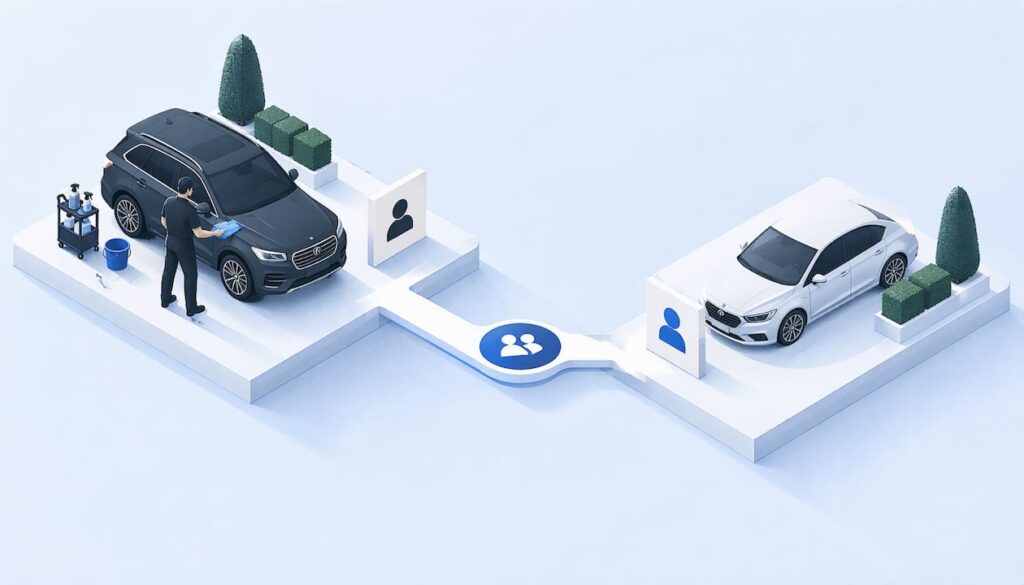
DetailDirect Alternatives: Car Owners Can Skip Chemistry Guesswork
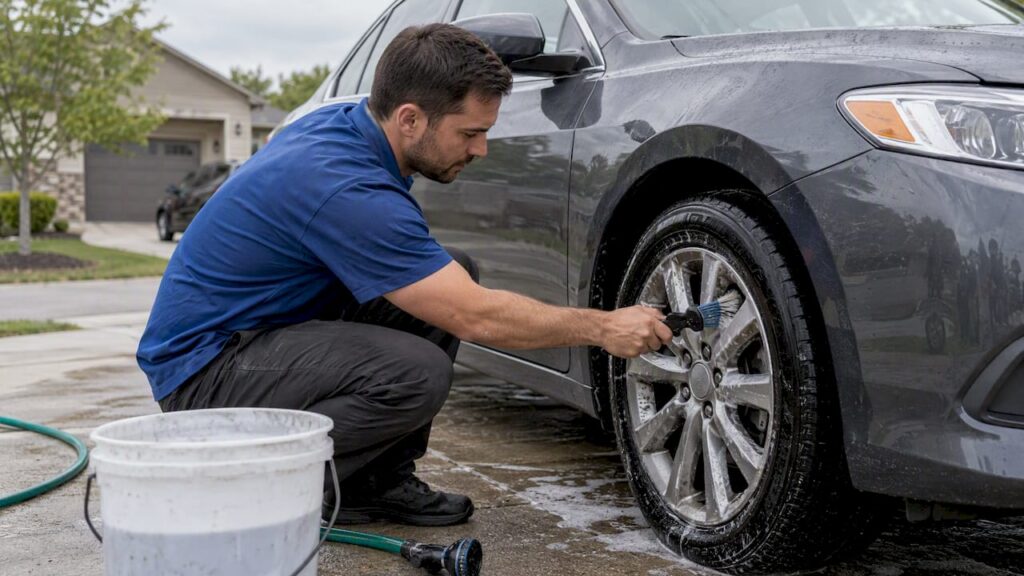
The best DetailDirect alternatives are a local mobile detailer you find through MobileDetailing.io, professional-grade low-residue products, and a curated low-residue DIY kit for maintenance. Each one fixes a problem big-name products sometimes create: sticky film, streaking, and coatings that no longer bond. Pick based on residue control, compatibility with your current protection, and the value you actually get per dollar.
Table of Contents
- Which detailing alternatives are worth your time?
- How do you judge a detailing product or provider?
- Why do residue and layering problems happen, and how do you prevent them?
- How do you wash and switch products without harming the environment?
- When should you hire a pro, and how does MobileDetailing.io help?
- Why aren’t popular detailing brands always the best choice?
- What does DetailDirect cost compared with the alternatives?
- How long does professional detailing take, and how do you book it?
- How do you judge reviews and reputation for a detailing alternative?
- Ready to compare local pros?
- FAQ
- Sources
Which detailing alternatives are worth your time?
Here is how the realistic options stack up, so you can match one to your goal and budget.
- Local mobile pro through MobileDetailing.io. Best for owners who want the outcome without the tools, time or chemistry guesswork. A pro can handle prep, product choice and staging. Ask how they plan to reduce the risk of residue and layering problems. Most useful for paint correction prep, coating prep and stubborn film.
- Pro-only product lines. Best for experienced enthusiasts who can use concentrated formulas correctly. If you choose a pro-only product line, check its application instructions and compatibility with your vehicle’s existing protection.
- Curated DIY low-residue kits. Best for routine maintenance on a vehicle that is already in good shape. Choose a short list of compatible products rather than a shelf of mismatched bottles, and you cut the risk of incompatible layers.
- Specialty treatments. Some products are marketed for use with ceramic coatings. Check the manufacturer’s instructions and compatibility before use. Wax-free glass sprays are the better pick for windshield clarity. These are maintenance tools, not substitutes for correct prep.
Prep, upkeep and following the product instructions all matter when applying protection. Avoid applying products over leftover film.
How do you judge a detailing product or provider?
You do not need a lab. You need a handful of repeatable checks, and they work on a bottle, a kit or a pro.
- Check for residue and film. Run a clean fingertip or the back of a clean microfiber across the panel after wiping. Dragging, a waxy feel, a hazy smear or streaks that return after wiping may indicate residue or another surface issue.
- Confirm compatibility with what is already on the paint. Ask whether the product is compatible with your existing coating or protection, and whether the maker recommends it before bodywork or paint correction.
- Look at application and reapplication. Check the product instructions for application and reapplication guidance. If they are unclear, ask the seller or provider before buying.
- Ask the seller or pro direct questions. What is the formulation type? What will it layer over safely? What outcome should I expect, and what does a failed layer look like?
- Weigh real value signals. Clear instructions, honest limits and consistent results matter more than packaging.
Pro Tip: Test any new product on a hidden spot first, and follow its label before judging gloss or residue.
Why do residue and layering problems happen, and how do you prevent them?
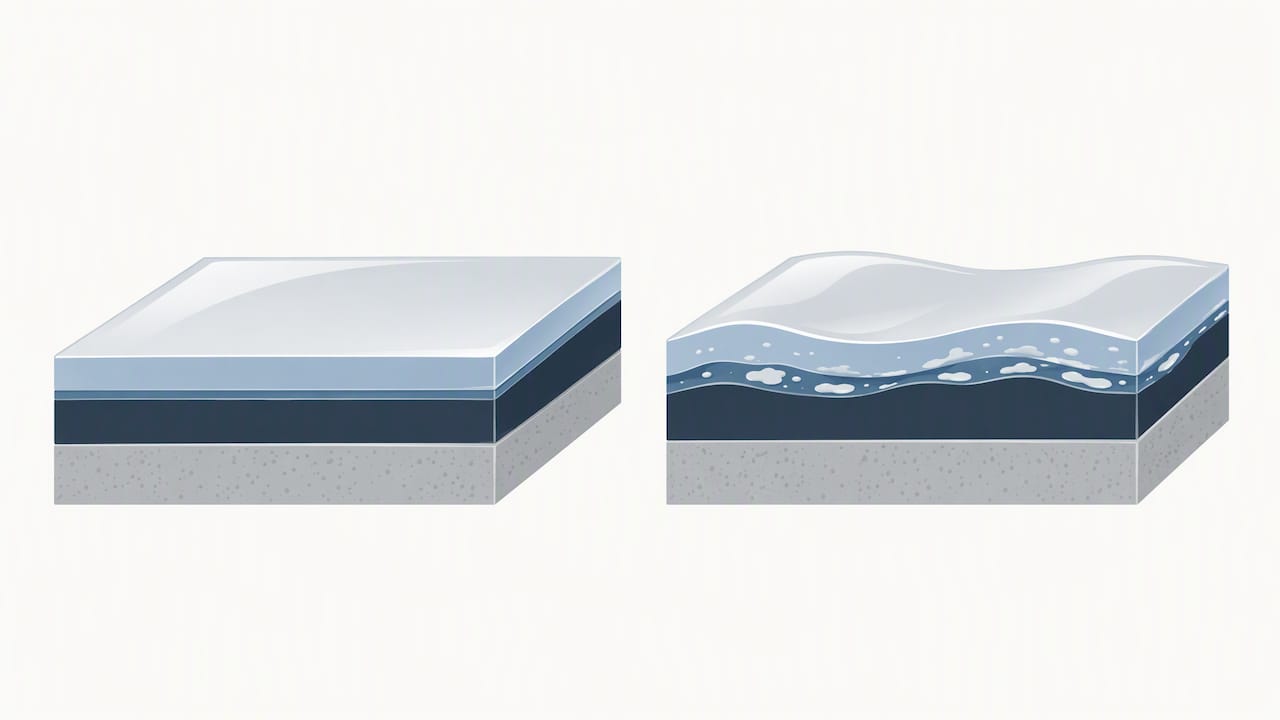
Sticky paint, streaking and uneven gloss can have several causes, including excess product or products that are not compatible. Products left on the surface may affect how a later product performs. Ask a professional what preparation is appropriate before paint correction.
Follow a safe order, and keep each step thin:
- Wash first. Use an automotive soap that is mild enough not to strip wax, wash in the shade, and keep separate tools for wheels, as Consumer Reports’ detailing advice recommends.
- Decontaminate next. Remove bonded grit and old film before any polish or protection goes on.
- Polish only if needed. Paint correction is professional work. If swirls or defects are the goal, hire someone.
- Protect last, and thin. One light coat, wiped off at the right time, beats a heavy coat every time.
- Choose silicone-free products before bodywork, paint correction or coating prep, since silicone can interfere with adhesion.
- Run a quick adhesion and residue check. Ask the coating professional how they prepare and inspect the surface before applying a coating.
- Patch test and respect wait times. Testing a small area and following the product’s instructions can help you spot problems before treating the whole vehicle.
How do you wash and switch products without harming the environment?
Wash water from driveways can carry soap, oils and metals into storm drains. The EPA’s vehicle washing best practices recommend biodegradable, phosphate-free, water-based detergents, limiting how much detergent you use, and sending wash water to pervious areas such as grass or gravel. The same guidance points to car-wash kits and commercial facilities as ways to keep polluted water out of storm drains.
- Choose biodegradable, phosphate-free detergent and use only what the label calls for.
- Wash over lawn or gravel instead of letting water run down the street.
- For large or heavily soiled jobs, consider a commercial wash or ask a mobile detailer how they manage wash water.
- Skip DIY for concentrated, hazardous chemicals. Wet sanding, coatings and other hazardous chemical work belong with a trained professional.
- Store and dispose of leftover chemicals as the label directs, never down a drain.
When should you hire a pro, and how does MobileDetailing.io help?
Some jobs are simply better handled by a professional. Here is how to decide and what to do next.
- Look for the signals. Paint correction, ceramic coating prep, film that keeps coming back, or not having the time or tools all point to a pro.
- Understand what you gain. A professional brings correct prep, the right chemistry for your existing protection, proper tools and a controlled work setup. That is the difference between a coating that bonds and one that fails.
- Search by service. On Mobiledetailing, look for local mobile detailers and check their profiles for the services you need.
- Compare profiles and reviews. Check provider profiles for information about services, photos and reviews. A profile like Every Detail Car Detailing shows what a typical profile includes.
- Request quotes. Contact two or three providers through our local quote page, describe your vehicle and goals, and compare responses.
For anything involving wet sanding, paint correction, coatings or hazardous chemicals, we recommend professional help rather than a weekend experiment.
Why aren’t popular detailing brands always the best choice?
A famous label tells you about marketing reach, not about how a product behaves on your paint. Industry experts commonly note that consistent maintenance, correct surface prep and residue control predict long-term results better than the brand name does.
Three issues come up most often with big names:
- Brand tax. A product’s price can reflect factors such as packaging and marketing. Compare its instructions, compatibility and performance rather than relying on the brand name alone.
- Residue. Any product can leave residue if it is applied incorrectly or is unsuitable for the surface. Follow the instructions and test it on a hidden spot.
- Compatibility. A product built for general use may not suit a ceramic-coated car, a car headed for paint correction, or glass that needs a wax-free cleaner. Products are made for different uses. Check the label and ask a professional which products are appropriate for bodywork, coatings or glass.
None of this means a well-known product is bad. It means the label is a starting point. Check the formulation type, the stated compatibility and the application instructions, then judge it by how it behaves on a test panel. That habit works the same whether the bottle comes from a household name or a small shop, and it keeps you from paying for hype.
What does DetailDirect cost compared with the alternatives?
We cannot quote DetailDirect’s current prices or any competing price list, and we will not guess at them. What we can do is show you how to compare value so the numbers you gather mean something.
Start with cost per result, not cost per bottle. A product’s overall cost depends on its price, how often the maker recommends reapplication, and whether additional preparation is needed. Compare the quoted service with the cost of a kit, any tools you need and the time involved.
A fair comparison looks at four things:
- Upfront price of the product, kit or service.
- Reapplication interval stated by the maker or provider.
- Extra costs, such as prep products, applicators or tools you would need to buy.
- Risk of redoing the work, which is highest when layering is incompatible.
Consumer Reports notes that professionals often find maintenance cleaning sufficient for average owners, and warns that cheap automatic washes with worn brushes or harsh soaps can damage finishes. In plain terms, spending more is not automatically better, and spending the least can backfire. For pro work, pricing varies by provider and vehicle, so request quotes and compare scope line by line.
How long does professional detailing take, and how do you book it?
Timelines depend on the service, the vehicle’s condition and the provider’s schedule, so we do not publish blanket hours. The time required varies by service, vehicle condition and provider. Ask each provider for an estimate based on your vehicle’s actual condition.
Booking through MobileDetailing.io follows a simple path:
- Search for the service you want in your area.
- Review profiles for services offered, photos and reviews.
- Send a quote request describing your vehicle, its condition and your goal.
- Confirm details such as scope, expected duration, where the work will happen and what access the pro needs, such as shade, water or power.
- Prepare the vehicle by removing personal items and noting any problem areas.
If possible, ask the provider whether a shaded, level work area is needed. Consumer Reports recommends applying wax away from direct sunlight. Ask whether the provider needs your water or electricity, since that varies by business. If your vehicle needs coating prep or correction, expect the pro to explain the staging so you know when the car will be ready.
How do you judge reviews and reputation for a detailing alternative?
Reviews are useful when you read them for patterns instead of star counts. Skim for repeated comments about the same strengths or problems, and weigh recent reviews more than old ones.
Look for these signals:
- Specifics. A review that mentions the service, the vehicle type and the result is more informative than “great job.”
- Consistency. Consider the overall pattern in reviews, including whether similar complaints appear more than once.
- How the business responds. Read how the business responds to criticism, while treating responses as one part of your assessment.
- Photos and profile detail. Profile details and work photos may help you assess whether a provider’s services fit your needs. You can see how this looks on listings such as Modern Mobile Detailing and Maximum Mobile Car Detailing.
- Fit for your job. Reviews about interior cleaning say little about coating work, so look for feedback on the service you need.
For products, apply the same approach: favor reviews that describe residue, streaking and layering on a car like yours, and treat manufacturer claims as claims until independent sources or your own patch test back them up.
Ready to compare local pros?
If hiring a professional is your priority, we make it simple to start. Visit Mobiledetailing to look for local mobile detailers and review available service information.
Here is the quick start:
- Search for the service you need near you.
- Compare two or three profiles and read the reviews.
- Request quotes through our local quote page and compare scope, not just price.
Keep paint correction, coatings and any hazardous chemical work with a professional. Start your search now and get quotes from local mobile detailers.
FAQ
What is the best alternative to DetailDirect?
It depends on your goal. For the most reliable result on coatings, correction or stubborn film, a local mobile detailer is the safest route. For routine upkeep, a small, compatible low-residue kit usually does the job.
Are low-residue products really better?
They can be, because thin, compatible layers are less likely to leave film, streaks or uneven gloss. The benefit comes from correct application and compatibility as much as from the product itself. Always patch test first.
Is it safe to wash my car at home?
Yes, if you follow the EPA’s vehicle washing guidance: use biodegradable, phosphate-free detergent and keep wash water off storm drains. For concentrated or hazardous chemicals, hire a professional.
When should I hire a professional instead?
Hire a pro for paint correction, ceramic coating prep, wet sanding, persistent residue or any job where you lack the time or tools. A professional matches chemistry to your existing protection and prepares the surface properly.
Sources
- Stormwater Best Management, Practice, Vehicle Maintenance and Washing
- Expert Detailing Secrets for a Cleaner Car – Consumer Reports
Recommended
- Car Owners: Get 2–3 Estimates on Mobiledetailing Instead of Spiffy
- Car Owners: Diagnose Water Spots First, Try a 30–60s Vinegar Fix
- Car Owners: Material First Car Seat Stain Fixes in Five Minutes
- Compare: Price Detailing Services for U.S. Owners & Fleets ($150–$300)
MobileDetailing.io provides general educational information. Products, surfaces and vehicle finishes vary. Follow manufacturer instructions and consult a qualified detailing professional before using abrasive processes or chemical treatments.