From $50 to Several Hundred: U.S. Ozone Treatment Cost and Safety Tips
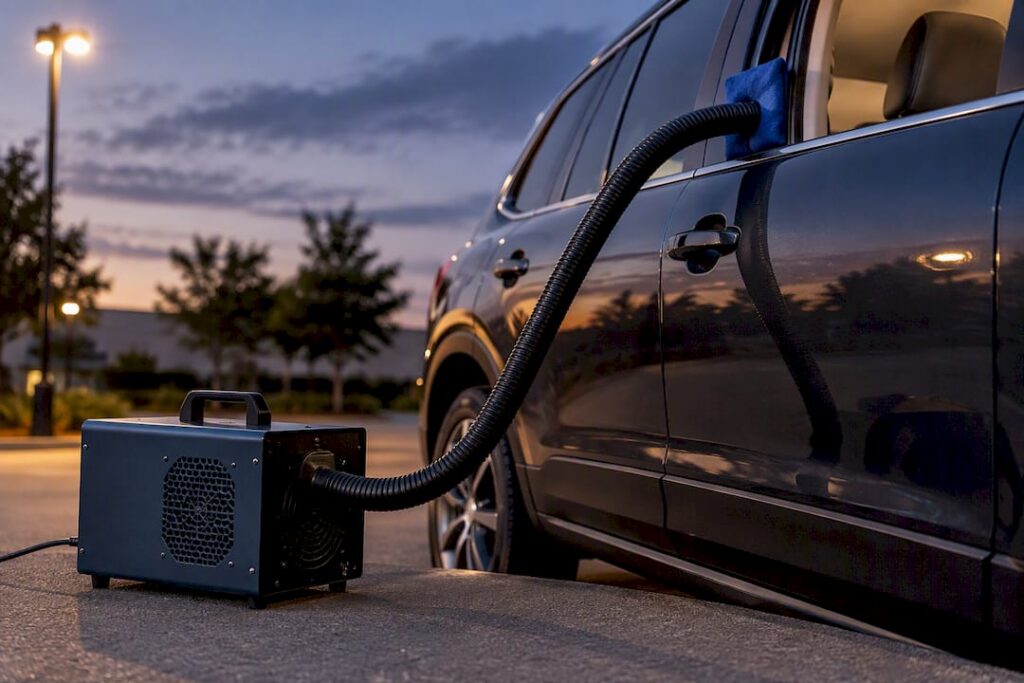
Ozone treatment for a car typically runs from about $50 to several hundred dollars, with severe smoke or biohazard jobs pushing costs higher once extra cleaning is factored in. Ozone must only be run in an unoccupied vehicle by someone who understands exposure limits set by OSHA. Get a written quote, confirm the prep and ventilation steps, and treat any bargain price with caution.
Table of Contents
- Typical U.S. cost ranges for ozone treatment
- What drives the price up or down
- How the treatment actually happens, step by step
- What EPA, OSHA, and CDC guidance means for your quote
- When ozone helps and when it just wastes money
- What to ask before you book an ozone treatment
- Where this guidance comes from and how to move forward
- Get a local quote for odor removal
- Sources
- FAQ
Typical U.S. cost ranges for ozone treatment
Pricing depends heavily on how bad the odor is and how big the vehicle is. Detailers commonly quote a base fee for light odor work, then add surcharges once the job moves into moderate or severe territory. Background pricing patterns reported by detailers show base prices in the range of roughly $50 to $85 for straightforward jobs, with totals climbing well beyond that for smoke, fire, or biohazard restoration once cleaning labor is included.
Vehicle class matters too. A compact sedan generally costs less to treat than a full-size SUV, minivan, or work van, simply because there is more interior volume and more surfaces that can hold odor.
- Light odor masking (pet smell, mild mustiness) tends to sit at the lower end of a shop’s price list.
- Moderate odor jobs (spilled food, mildew, light smoke) usually add a cleaning or extraction charge on top of the ozone run.
- Severe cases, such as heavy cigarette smoke, fire damage, or urine that has soaked into padding, often require multiple ozone cycles plus upholstery work, which is where totals climb into the several-hundred-dollar range.
Many providers also add a minimum dispatch or trip fee for mobile service, and some charge extra for after-hours or same-day appointments. For general context on what mobile detailing runs in the U.S., mobile detailing pricing typically falls between $150 and $500, and ozone treatment is usually quoted separately from that baseline service.
What drives the price up or down
Ozone treatment pricing is really a reflection of labor and equipment time, not just the ozone run itself. A provider who charges more up front is often accounting for prep work that a cheaper quote skips entirely.
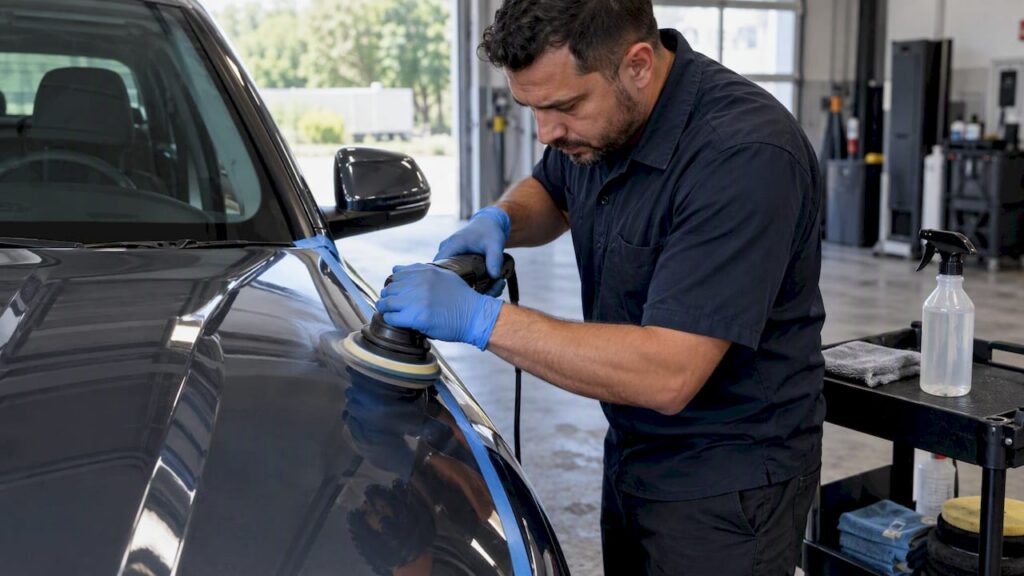
- Labor time includes pre-cleaning, shampooing carpets and seats, spot-treating stains, running the ozone generator, and then ventilating the cabin afterward.
- Equipment costs cover an industrial ozone generator, ozone monitors to confirm safe reentry levels, and fans to clear the cabin once the cycle ends.
- Condition-specific work, like upholstery extraction, replacing damaged padding, or deep-cleaning carpets, can add substantially to the final bill.
- Mobile providers factor in travel time, fuel, and onsite setup, while shop-based services may charge less per job but require you to drop off the vehicle.
Pro Tip: Ask whether the quote includes pre-cleaning and post-treatment ventilation time, since those hours are often where the real cost difference between two bids shows up.
Interior detailing packages that precede ozone work, generally priced between $150 and $600 depending on scope, can meaningfully change your total if the odor source needs real cleaning first.
How the treatment actually happens, step by step
A professional ozone job follows a fairly predictable sequence, and skipping steps is usually how odors come back.
- Source removal and deep clean. Technicians extract spills, shampoo carpets and upholstery, and remove whatever is causing the smell, since ozone cannot fix a stain or a wet spot hiding under a seat.
- Sealing the cabin and running the generator. The vehicle is closed up and an ozone generator runs for anywhere from about 30 minutes for light odors to two hours or more for severe cases, with nobody inside the car during this stage.
- Decay and ventilation. Once the cycle ends, the cabin needs time to air out and ozone levels need to drop before anyone reenters; trained operators check this with a monitor rather than guessing.
Longer runtimes and monitoring add labor cost, but they are also what separates a provider following safety guidance from one just spraying a scent and calling it done.
What EPA, OSHA, and CDC guidance means for your quote
Ozone is a real chemical with real limits, not a magic deodorizer, and the government agencies that study it are blunt about that. The EPA’s assessment of ozone generators found that units sold as air cleaners are not reliably effective at removing many indoor contaminants, and that the ozone concentrations needed to meaningfully reduce odors can be harmful to people and pets.
Ozone’s permissible exposure limit is set at a low concentration for an 8-hour time-weighted average, according to OSHA’s standard interpretation on ozone exposure, which also requires employers to use controls or protective equipment when that limit cannot otherwise be met.
- The EPA’s technical report notes that effective ozone concentrations for many contaminants exceed public health standards and can generate reactive by-products when ozone interacts with indoor chemicals.
- CDC and NIOSH guidance on ozone describes exposure effects including headaches, coughing, and chest discomfort, which is why treatment spaces need to stay unoccupied until levels are confirmed safe.
- Materials inside your car, including rubber seals, wiring insulation, and certain fabrics, can degrade with excessive or repeated ozone exposure, which is one reason controlled runtimes matter.
This is not a reason to avoid ozone treatment altogether. It is a reason to hire someone who treats runtime, ventilation, and monitoring as part of the job rather than an afterthought.
When ozone helps and when it just wastes money
Ozone earns its keep after the physical source of an odor is gone, not as a substitute for cleaning it. Smoke and fire restoration are classic cases where ozone can be genuinely useful once affected materials have been cleaned, because the odor is airborne and embedded in surfaces rather than sitting in one wet spot.
- Ozone is unlikely to solve odors from active biological stains, urine that has soaked into padding, or mold growing inside upholstery foam, since it does not remove the physical source.
- Shampoo and extraction cleaning, enzyme-based odor treatments, and replacing badly contaminated padding are often more reliable fixes for those specific problems.
- Targeted odor absorbers can help with mild, lingering smells between full cleanings.
- A combined approach, cleaning first and running ozone afterward, is often the most defensible use of the treatment and explains why some quotes include both line items.
What to ask before you book an ozone treatment
A few direct questions separate a legitimate provider from someone running a consumer-grade unit out of a garage.
- Ask what prep work is included, whether that is extraction, shampooing, or spot treatment, before ozone is applied.
- Ask about the generator itself and whether the technician measures ozone levels before letting you back into the vehicle.
- Ask whether the price is flat or hourly, and whether size or severity surcharges are already built into the quote.
- Ask about insurance coverage in case something in the interior is damaged during treatment.
Red flags include a provider skipping prep entirely, no clear plan for ventilation, or a price so low it could not possibly cover a proper cycle and monitoring. One UK-based guide on diagnosing odor sources makes the same core point that applies here: find and fix the source before you pay for ozone to mask it.
Pro Tip: Get the scope, timeline, and expected reentry time in writing before the technician starts, so there is no ambiguity about what you’re paying for.
Where this guidance comes from and how to move forward
The safety information above comes directly from the EPA, OSHA, and CDC/NIOSH, the agencies responsible for ozone exposure and indoor air guidance in the United States. MobileDetailing.io publishes related coverage on odor removal steps professionals use and on what mobile detailing actually involves, both useful before you request a quote.
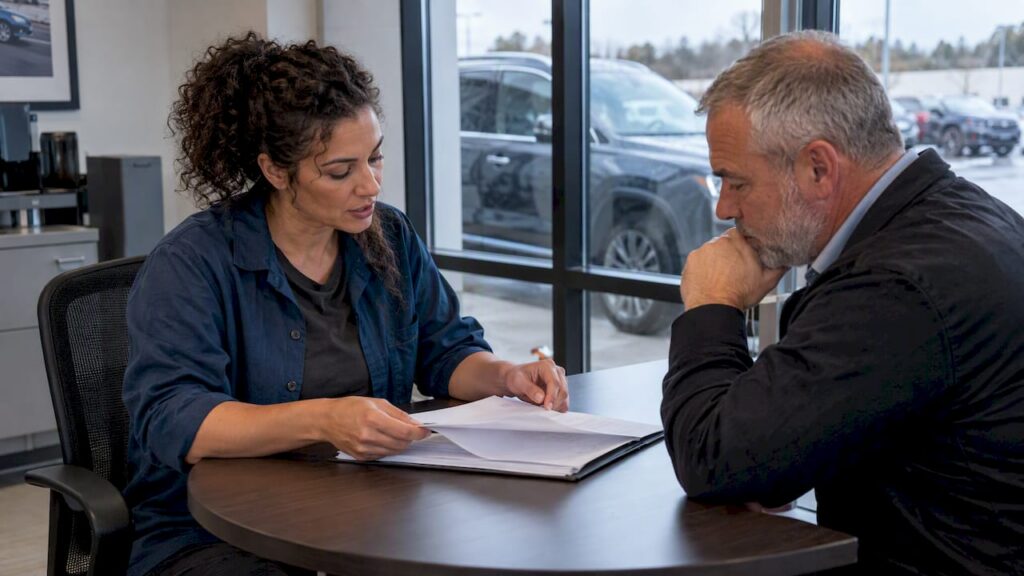
When you reach out to a local detailer, describe your vehicle, the odor source if known, and include photos so the estimate reflects the real scope of the work.
Get a local quote for odor removal
MobileDetailing.io is a nationwide directory that connects you with local mobile detailing professionals who handle interior odor problems, including ozone treatment paired with the cleaning it usually needs to actually work. Instead of guessing at a fair price from a phone quote, you can compare listed services and reviews for providers near you before you commit.
- Include your vehicle’s make, model, and interior photos when you request a quote.
- Describe the odor’s source and how long it has been present, plus any cleaning you’ve already tried.
- Ask the provider directly how they handle source removal, ozone monitoring, and post-treatment ventilation.
You can browse local detailers and request a quote directly through MobileDetailing.io, or start from the main directory to compare interior detailing and odor removal specialists in your area.
This article is general information, not a substitute for advice from a qualified doctor. Consult a qualified healthcare professional about your own circumstances before acting on anything here.
Sources
- Ozone Generators that are Sold as Air Cleaners: An Assessment of Effectiveness and Health Consequences (EPA)
- OSHA interpretation on ozone exposure and Air Contaminants Standard
FAQ
Does ozone treatment for cars actually work?
Ozone can be effective against airborne and surface-embedded odors like smoke once the physical source has been cleaned, but the EPA has found that ozone generators are not reliably effective at removing many indoor contaminants at safe concentrations. It works best as a follow-up step after cleaning, not as a replacement for it.
Does AutoZone sell an ozone bomb for car odor?
AutoZone is an auto parts retailer and is not a source for professional-grade ozone equipment or safety guidance on ozone use. Any ozone device intended for vehicle interiors should be operated according to the exposure limits set by OSHA, which generally means leaving the work to a trained technician rather than a consumer device.
How much does an ozone treatment cost on average?
Basic ozone treatments for mild odors often start at a moderate cost, while severe cases involving smoke, fire, or biohazard cleanup can be significantly more expensive once cleaning and extraction are added. The final price depends on vehicle size, odor severity, and how much prep work is needed before the ozone cycle even starts.
How long should ozone treatment run in a car?
Runtime typically ranges from about 30 minutes for light odors to two hours or more for severe smoke or fire damage, followed by a ventilation period before anyone reenters the vehicle. Trained operators confirm safe ozone levels with a monitor rather than estimating when it’s safe to reopen the car.
Is ozone treatment safe for my car’s interior?
Ozone can degrade rubber, wiring insulation, and some fabrics if runtimes are excessive or repeated too often, which is why professionals use controlled cycles rather than running a unit indefinitely. Following exposure guidance from agencies like CDC/NIOSH and keeping the vehicle unoccupied during treatment reduces risk to both people and materials.
Recommended
MobileDetailing.io provides general educational information. Products, surfaces and vehicle finishes vary. Follow manufacturer instructions and consult a qualified detailing professional before using abrasive processes or chemical treatments.