3-Step Rideshare Car Detailing Plan for Ratings, Odor and Finding Pros
The fastest effective approach combines a daily 3 to 5 minute check, a weekly quick vacuum and wipe, and a monthly or as-needed professional detail booked through a mobile detailer or driver-wash program. This rhythm keeps your car rider-ready without eating into drive time, and it protects your ratings between deeper cleanings. If a rider leaves a serious mess, photograph the mess and keep evidence before cleaning.
Table of Contents
- What a rideshare-focused detail typically includes
- Programs and pricing models built for drivers
- Your daily, weekly, and monthly cleaning checklist
- Odor removal, ventilation, and disinfection that actually works
- Documenting messes and filing a cleaning-fee claim
- Choosing the right detailing option for your schedule
- How MobileDetailing.io helps drivers find fast, documented detailing
- Sources
- FAQ
What a rideshare-focused detail typically includes
Not every mess needs a full detail, and knowing the difference saves you money and downtime. Quick services handle the daily grind; deep services handle the messes that quick services can’t fix.
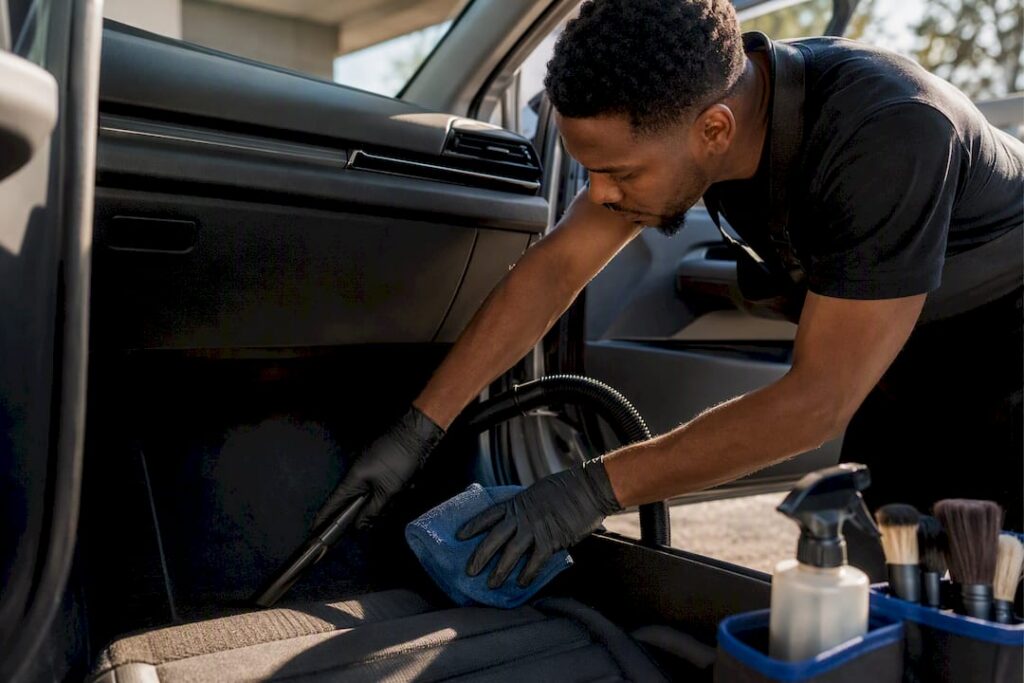
- Quick service (fast turnaround): trash removal, interior vacuum, dashboard and door panel wipe, window cleaning, mat shake or rinse, and a light odor neutralizer.
- Deep service (longer visit, often pro equipment): upholstery extraction, stain removal, AC and vent treatment, and full odor elimination.
Quick services are built for drivers between shifts and rarely require specialized tools. Deep cleaning is a different story. Extraction machines and enzyme treatments needed for embedded odors or set-in stains generally require professional-grade equipment, so a spilled drink or a one-time crumb problem is a DIY job, but a lingering smoke smell or a soaked seat cushion usually calls for a full service detailing appointment.
Programs and pricing models built for drivers
Detailers who work with rideshare drivers tend to offer a handful of pricing structures instead of one flat rate.
- Pay-per-wash: you book and pay for a single quick service, useful when your schedule is unpredictable.
- Membership or subscription plans: a recurring fee covers scheduled quick cleans, which can lower the cost per visit for high-mileage drivers.
- Fleet or driver discount programs: some shops verify your driver account or trip history and apply a reduced rate for recurring business.
Add-ons like odor treatment or upholstery extraction almost always cost more than the base quick service, since they take longer and use different equipment. Eligibility for driver discounts typically means showing a driver profile or recent trip history at booking. Since a professional receipt and photo proof matter for platform reimbursement, ask any detailer whether they provide itemized invoices before you book.
Pro Tip: Schedule quick cleans to coincide with your longer driving shifts so your car stays fresh during peak times.
Your daily, weekly, and monthly cleaning checklist
A time-budgeted routine keeps small messes from becoming expensive ones.
- Daily (3 to 5 minutes): clear trash, wipe the console and door handles, and crack the windows before your first ride.
- Weekly (15 to 30 minutes): vacuum seats and floors, clean the windows and mirrors, wipe seat pockets, and shake out the mats.
- Monthly (30 to 60 minutes, or hand off to a pro): deep extraction on seats and carpets, vent and AC cleaning, and targeted odor treatment if smells persist.
Keep a small kit in the trunk: a microfiber cloth, a spare trash bag, all-purpose wipes, a spray cleaner, and a compact portable vacuum if you have outlet access. This setup covers most daily and weekly needs without a special trip to a store or shop.
Odor removal, ventilation, and disinfection that actually works
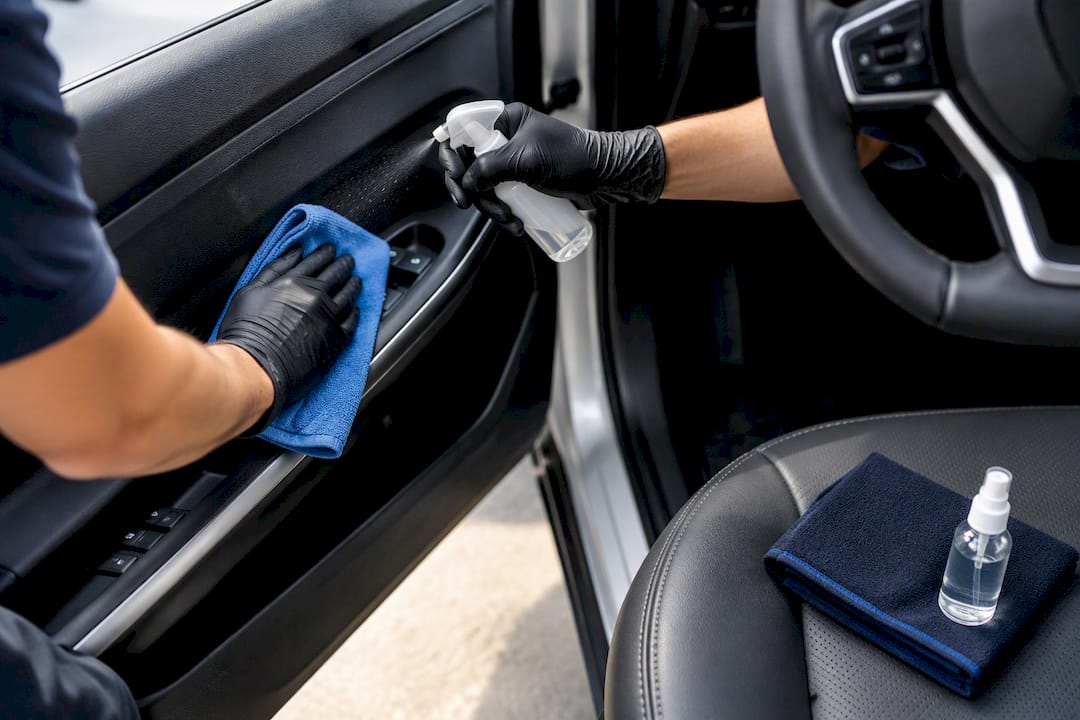
Cleanliness is not a cosmetic detail for rideshare drivers. Research on in-vehicle comfort finds that interior odor and cleanliness are among the strongest drivers of rider satisfaction, which means a car that looks fine but smells off can still cost you stars.
For everyday odors, baking soda left overnight, charcoal odor absorbers, and targeted enzymatic cleaners handle surface-level smells. Deep-set odors from smoke, pets, or spills usually need steam or extraction, since sprays tend to mask the smell rather than remove its source.
- Prefer fresh air over recirculate mode, and open windows or run the fan on high between rides, following Lyft’s Clean Ride guidance developed with P&G Professional and UTHSC.
- Use EPA List N disinfectants where surface disinfection is warranted, and avoid harsh chemistries that can damage leather, vinyl, or trim.
A peer-reviewed study on vehicle air disinfection found that certain disinfectant agents and application methods can significantly reduce microorganisms in cabin air and on surfaces, though some methods need specialized devices and can be harsh on materials. When odor or contamination is persistent, that’s the point to escalate to a professional rather than keep spraying.
Documenting messes and filing a cleaning-fee claim
If a rider causes serious damage or soil, prompt evidence collection improves your chances of reimbursement.
- Photograph the mess immediately in good lighting, and note the trip ID and time before cleaning anything.
- Get the vehicle professionally cleaned, then keep a dated, itemized receipt that shows a verifiable business name.
- Submit your claim through the app within the platform’s allowed window, attaching photos of both the mess and the receipt.
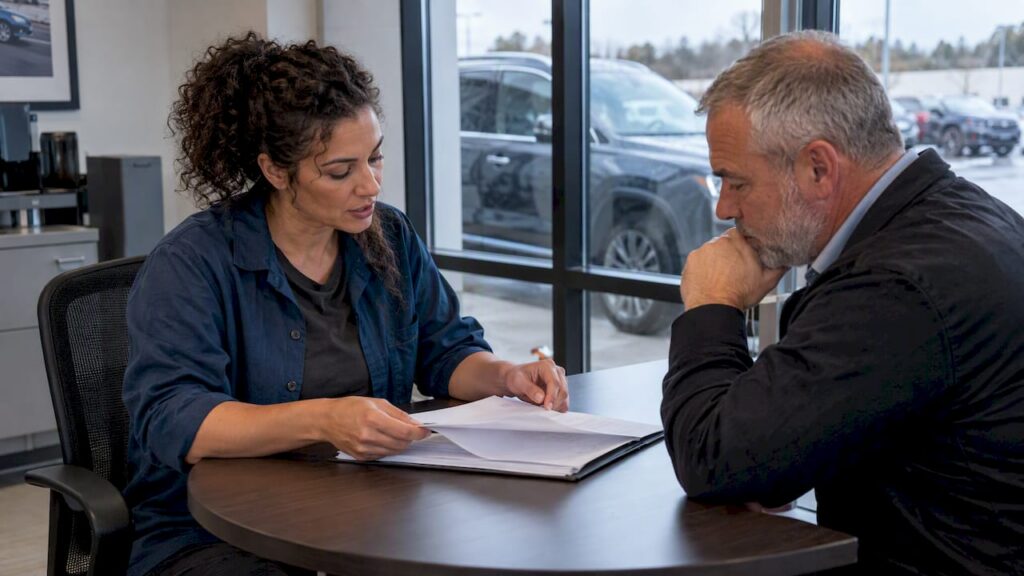
Uber’s cleaning fee policy requires professional receipts dated close to the service date, itemized, and connected to a verifiable business name. Routine wear and odor complaints alone typically don’t qualify. Fee bands scale with the severity of the mess, but vague or unverifiable paperwork is the most common reason claims get denied.
Pro Tip: Request that your detailer itemize “interior detail” and any extraction or odor treatments separately, since generic receipts are often rejected.
Choosing the right detailing option for your schedule
Picking a detailer is really about matching turnaround time and documentation to what your claim or your calendar actually needs.
- Confirm the service is mobile and can come to you between shifts or during downtime.
- Ask exactly what’s included: vacuum, wipe-down, extraction, and odor treatment are not the same line item.
- Ask whether the shop provides an itemized, dated receipt with a verifiable business name, since that detail matters for platform claims.
- Compare price against turnaround time, not just the lowest quote.
Red flags include vague service descriptions, no itemized receipts, and any reluctance to show before-and-after photos of similar jobs. A detailer who answers these questions clearly is generally the safer bet for a driver who needs speed and paperwork in the same visit.
How MobileDetailing.io helps drivers find fast, documented detailing
MobileDetailing.io is a directory helping drivers find local mobile detailing services, so you can compare options without cold-calling shops between rides.
- Search by location to find mobile detailers offering quick-turnaround interior cleaning, extraction, and odor treatment.
- Request a quote directly and compare pricing and service descriptions before booking.
- Look for listings that mention driver-friendly scheduling and documented, itemized invoices, since that paperwork matters if you ever file a cleaning-fee claim.
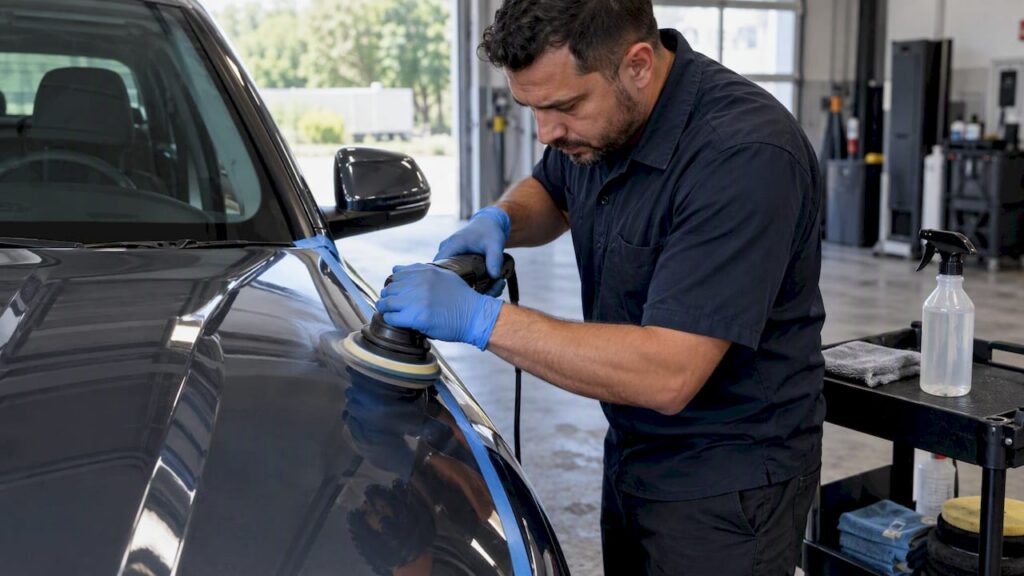
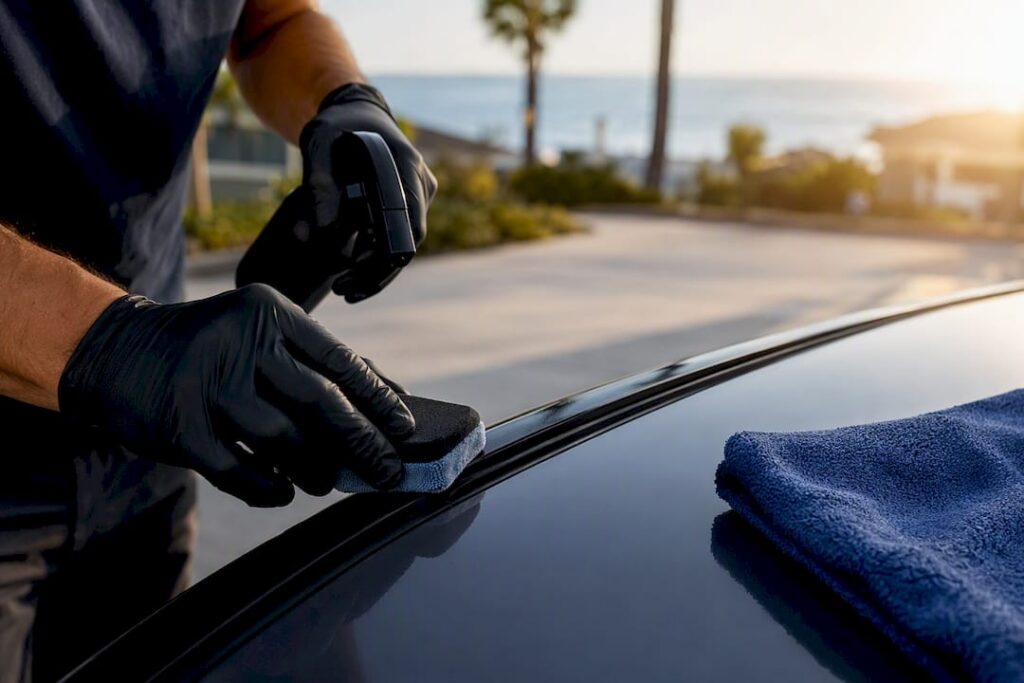
Hire professionals for extraction, paint correction, ceramic coatings, and chemical-heavy work, both for your car’s finish and for your own safety. Start at the Mobiledetailing or head straight to get a local quote to find a mobile pro near you.
Sources
- Odor-visual multimodal in-vehicle comfort assessment (ScienceDirect)
- Lyft expands health safety program with recommended vehicle cleaning process
- Uber Driver Cleaning Fee Policy
- Air disinfection—From medical areas to vehicle (Frontiers in Public Health)
FAQ
How often should I detail my rideshare car?
A daily 3 to 5 minute check, a weekly 15 to 30 minute quick clean, and a monthly deep clean or professional detail covers most rideshare driving patterns. Drivers with pets, smokers as passengers, or very high trip volume may need the deep clean more often.
What receipt details does Uber require for a cleaning-fee claim?
Uber requires a professional cleaning receipt dated within three days of the incident, itemized, and showing a verifiable business name, according to Uber’s cleaning fee policy. Routine wear or odor complaints without documented professional service typically don’t qualify.
Should I use recirculate mode or fresh air between rides?
Fresh air is the better choice. Lyft’s ventilation guidance recommends keeping outside air flowing or running the fan on high rather than using recirculate mode between rides.
How much should I tip on a $200 car detail?
Tipping practices for detailing vary by region and by shop, and no single standard rate is published for professional detailing services. Ask the detailer directly or check their listing for guidance if you want to tip for the work.
What is the $3,000 rule for car repairs?
There is no universal rule tied to rideshare car repairs or cleaning documented in platform policy. If you’re asking about a repair-versus-replace threshold, that’s a personal financial decision based on your car’s value, not a rule set by Uber or Lyft.
MobileDetailing.io provides general educational information. Products, surfaces and vehicle finishes vary. Follow manufacturer instructions and consult a qualified detailing professional before using abrasive processes or chemical treatments.