Home Detailers: Dry Vapor Steam Car Interiors, Extract After Every Pass
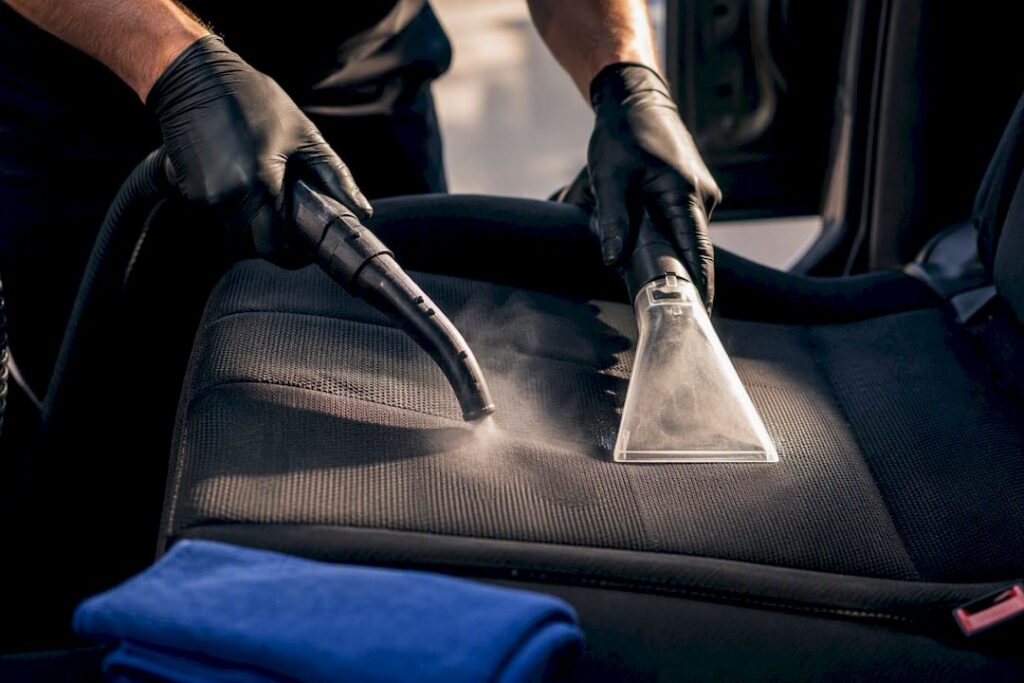
Steam cleaning a car interior works well for most fabric, carpet, and plastic surfaces, and it does the job without chemical cleaners. The catch: steam only loosens grime, it does not remove it, so every pass needs immediate extraction or a microfiber wipe. Skip headliners and electronics unless you know exactly what you’re doing, and always test a hidden spot first. If any of that gives you pause, a quick quote from a local pro through Mobiledetailing settles the question fast.
Table of Contents
- Which Car Interior Surfaces Are Safe to Steam Clean?
- How Do You Prep a Car and Choose the Right Steam Cleaner?
- What’s the Right Technique for Steam Cleaning Car Seats and Carpets?
- How Do You Dry a Car Interior After Steam Cleaning?
- When Should You Call a Professional Instead of DIY Steam Cleaning?
- Find a Local Mobile Detailer for Steam and Extraction Work
- Sources
- FAQ
Which Car Interior Surfaces Are Safe to Steam Clean?
Most hard and soft surfaces inside a car tolerate steam well, but a few need extra caution or should be skipped entirely. Dry vapor steam, which runs hotter than wet steam at around 275°F, sanitizes surfaces and breaks down grime while leaving behind far less moisture than a wet-steam machine, according to Detailing Scout’s testing of the Dupray Neat. That lower moisture load is exactly why dry vapor is the better choice for interior work: less water means less risk of soaking into foam padding or wood trim underneath.
Here’s how surfaces generally break down:
- Fabric seats and carpet: Safe with steam plus agitation, but always follow with extraction.
- Leather: Safe in short, low-heat passes; never let steam sit in one spot, and condition only after the leather is fully dry.
- Vinyl and hard plastics: Generally safe and easy to wipe clean immediately after steaming.
- Glass: Safe, though a squeegee finish prevents streaking.
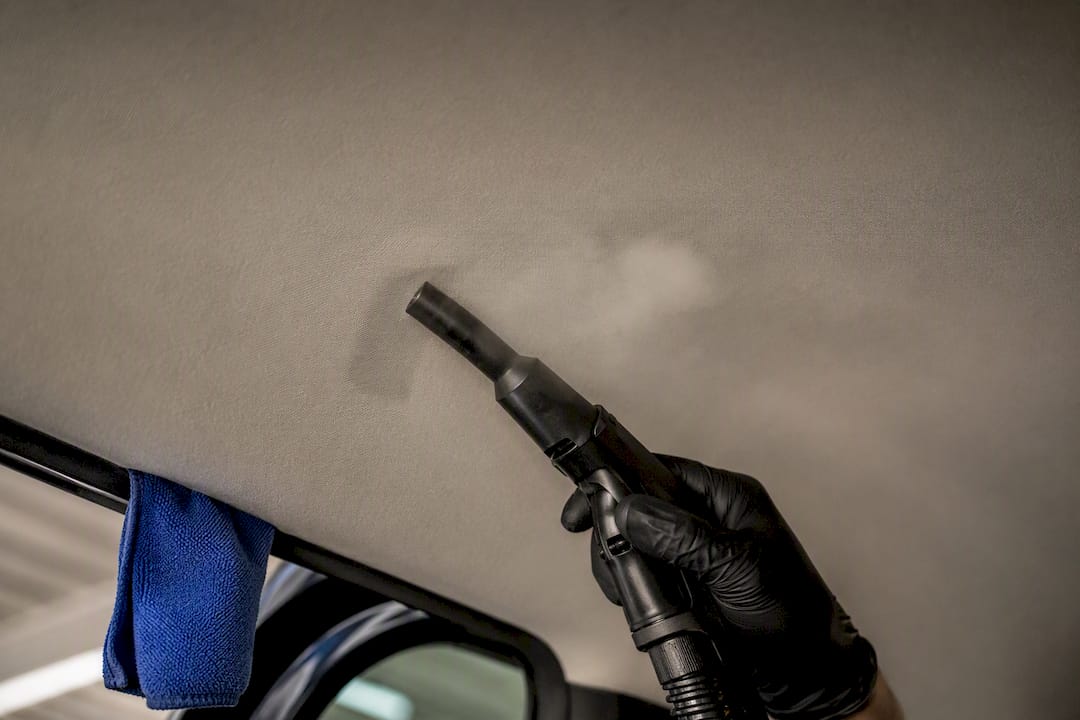
- Headliners and glued fabric panels: High risk. Sustained heat and moisture can soften the adhesive behind the headliner, causing it to sag or detach.
- Electronics, screens, and switch panels: Avoid direct steam contact entirely.
Pro Tip: Before steaming anything, test a hidden section, like under a seat or inside the trunk carpet edge, for about 10 seconds. Check for color bleed, texture changes, or looseness before moving to visible areas.
Keep the nozzle moving at all times. Holding it in one spot, even on fabric, concentrates heat and moisture in a way that can cause discoloration or oversaturation. A working distance of a few inches, combined with constant motion, keeps the steam effective without overloading any single area. Practitioner guides warn specifically that headliners should only be steamed for extreme contamination, and only with the lowest heat setting and constant motion, according to EatHealthy365’s breakdown of car steam cleaning.
How Do You Prep a Car and Choose the Right Steam Cleaner?
A clean starting point makes the actual steaming faster and more effective. Skipping prep is the single biggest reason home steam sessions run long and leave streaky, half-clean results.
- Remove all loose items, trash, and personal belongings from the cabin.
- Vacuum every surface thoroughly, including under seats and in cracks between console panels.
- Pull out floor mats and clean them separately, since they trap the most grit.
- Pre-treat any greasy or heavily soiled spots with a small amount of degreaser before steaming.
Once the car is prepped, the machine itself matters more than most people expect. Dry-vapor units running higher temperature and pressure penetrate grime better than low-end handheld steamers, which often lack the heat to loosen anything beyond surface dust, per Detailing Scout’s comparison of canister-style units. Look for a machine with a tank large enough to run for an extended period before refilling, since a mid-range canister steamer typically holds enough water for one session of continuous use on similar models. A decent accessory kit matters just as much as the tank: a utility brush for carpets, an angled brush for tight trim and cupholders, a detail nozzle for vents and seams, and a squeegee attachment for glass.
Pro Tip: Fill the tank with distilled water only. Tap water leaves mineral deposits that clog the nozzle and reduce steam output over time, and regular descaling keeps the unit running at full pressure, according to AquaProVac’s maintenance guidance.
If you’re weighing a personal steam canister against hiring help, consider the scope of the job. A canister unit works fine for routine upkeep and light stains. Heavy contamination, pet odor throughout the cabin, or anything involving deep-set carpet stains usually calls for a pro with integrated extraction equipment.
What’s the Right Technique for Steam Cleaning Car Seats and Carpets?
Work the interior in a set sequence so nothing gets missed and nothing gets over-wetted before you can wipe it down.
- Start with floor mats, cleaned outside the vehicle.
- Move to carpets and floor areas.
- Steam the seats next, section by section.
- Hit trim, vents, and door panels.
- Finish with glass, then a final pass over visible trim.
The actual technique matters more than the order. Work in roughly one-square-foot sections, since practitioners consistently recommend this zone size to avoid over-wetting fabric while still fully loosening what’s embedded in it, per EatHealthy365’s detailing walkthrough. Apply steam while agitating with a brush, then immediately wipe the section with a clean microfiber towel before moving to the next zone. This is the part most first-timers skip, and it’s the reason their results look streaky instead of clean: steam loosens dirt, but it does not remove it. Every pass needs a wipe or extraction step right behind it.
For carpets and heavily soiled fabric seats, plan on a two-step process:
- Steam and agitate the section to break the dirt loose from the fibers.
- Extract with a wet-dry vac or a carpet extractor before the moisture has a chance to settle back into the material.
Skipping extraction is the most common mistake in DIY steam detailing. Wet extraction, which injects cleaning solution and pulls dirty water back out, handles deep fiber cleaning far better than steam alone, since steam is fundamentally a surface and sanitizing tool rather than a deep-extraction one, according to Kleen-Rite’s product documentation for the Mytee HP120 extractor.
Leather needs its own approach. Keep the nozzle moving constantly, use short passes rather than lingering, and never apply leather conditioner until the surface has fully dried, usually a few hours later depending on humidity. Conditioning damp leather traps moisture underneath the treatment and can cause it to crack or peel prematurely.
For vents and dashboard seams, short bursts of a few seconds followed by brushing and vacuuming clear out debris without pushing moisture into places it shouldn’t go, according to discussions on the Auto Geek Online detailing forum. If you’re also tackling the dashboard itself, stick to methods and materials suited to its specific plastic finish, since proper dashboard cleaning requires avoiding excess heat on certain trims.
How Do You Dry a Car Interior After Steam Cleaning?
Extraction is what actually finishes the job. Steam softens and lifts contamination out of fibers, but it stays suspended in the fabric until something physically pulls it out, whether that’s a wet-dry vac, a dedicated carpet extractor, or immediate microfiber pickup on hard surfaces, per EatHealthy365’s guidance on post-steam cleanup.
Drying time depends on a few factors:
- Ventilation: Cracked windows or open doors speed drying significantly.
- Humidity: Higher humidity days can double drying time compared to dry conditions.
- HVAC use: Running the car’s fan on low with the windows cracked helps move air through the cabin.
- Extraction thoroughness: A rushed extraction pass leaves more residual moisture behind.
Most sections dry within a few hours with good airflow, though dense carpet padding can take longer. Press a clean, dry towel into any suspect area before calling the job finished. If it comes away damp, run another extraction pass rather than closing up the car and hoping it dries on its own. Trapped moisture in carpet padding is exactly how musty odors and mold start, sometimes days after the cleaning session felt complete.
For larger vehicles or heavily soiled interiors, renting a proper carpet extractor, or hiring a detailer who already owns one, usually beats fighting with a shop-vac that wasn’t built for wet extraction.
When Should You Call a Professional Instead of DIY Steam Cleaning?
Steam cleaning has real limits, and pushing past them is how interiors get damaged instead of cleaned. A few situations call for a professional rather than a home attempt:
- Headliner staining or sagging: Sustained heat risks adhesive failure, and a sagging headliner is expensive to repair.
- Anything near electronics: Touchscreens, switch panels, and wiring harnesses should never take direct steam.
- Over-saturation: Pushing steam too aggressively into carpet or seat padding without adequate extraction sets up conditions for mold growth.
- Severe mold, urine, or embedded stains: These usually need extraction equipment and cleaning agents beyond typical home kits.
- Persistent HVAC odors: Vent and blower motor odor issues often need targeted treatment that goes past a home steamer’s reach.
Pro Tip: If you’re not confident about a headliner or an electronics-adjacent area, skip it. A professional detailer’s industrial extractor and experience with adhesives will get a better, safer result than a risky DIY attempt.
Professionals bring integrated extraction built into the same pass as the steam application, along with industrial-grade heaters and extractors that pull far more moisture than a wet-dry shop vac. That combination, plus experience judging how much heat different adhesives and leather finishes can handle, is why complex interior restoration jobs tend to go to a pro rather than a weekend DIY session.
Find a Local Mobile Detailer for Steam and Extraction Work
If your interior needs more than a home steamer and a shop vac can handle, Mobiledetailing connects you with local mobile detailing professionals who bring their own extraction equipment right to your driveway.

MobileDetailing.io is a nationwide directory where you search by location and compare detailers offering interior deep cleaning, upholstery and carpet extraction, and full interior detailing packages without booking a shop visit or guessing which local business actually has the right equipment. It makes the most sense when contamination is heavy, when a headliner or electronics-adjacent area needs expert judgment, or when you simply want extraction handled properly instead of renting gear for a one-time job.
Before requesting quotes, have a few details ready: the vehicle’s year and interior materials, any odor issues, photos of the affected areas, and the specific services you’re after, whether that’s a full interior detail or spot extraction on a few seats. Head to Mobiledetailing to compare detailers in your area and get quotes based on your actual interior condition.
Sources
- Dupray Neat Steam Cleaner Car Detailing — Detailing Scout
- Using a Car Steam Cleaner on Interior Surfaces — EatHealthy365
- How to prevent mineral build-up in your steamer and why descaling is essential — AquaProVac
FAQ
Is It Okay to Steam Clean a Car Interior?
Yes, for most fabric, carpet, vinyl, and leather surfaces, as long as you follow each steam pass with extraction or a microfiber wipe. Avoid direct steam on headliners and electronics unless you’ve tested carefully and know the risks.
Are Steam Cleaners Worth It for Cars?
For routine maintenance and light-to-moderate grime, a dry-vapor steam cleaner is a solid, chemical-free option that sanitizes surfaces effectively. For heavy contamination or deep-set stains, a professional with proper extraction equipment usually delivers a better result.
What Are the Disadvantages of Using a Steam Car Wash?
Steam alone doesn’t remove loosened dirt, so skipping extraction leaves grime resettling into fabric. Overuse or holding the nozzle too long in one spot also risks headliner adhesive failure, leather damage, or trapped moisture that leads to mold and odor problems.
What Do Professional Car Detailers Use to Clean the Interior?
Professional detailers typically combine dry-vapor steam with brush agitation and integrated extraction equipment, using industrial-grade heaters and extractors that pull more moisture than typical home shop vacs. You can compare local detailers offering this combination through Mobiledetailing.
MobileDetailing.io provides general educational information. Products, surfaces and vehicle finishes vary. Follow manufacturer instructions and consult a qualified detailing professional before using abrasive processes or chemical treatments.