Waterless Car Wash: How It Works and When to Use One
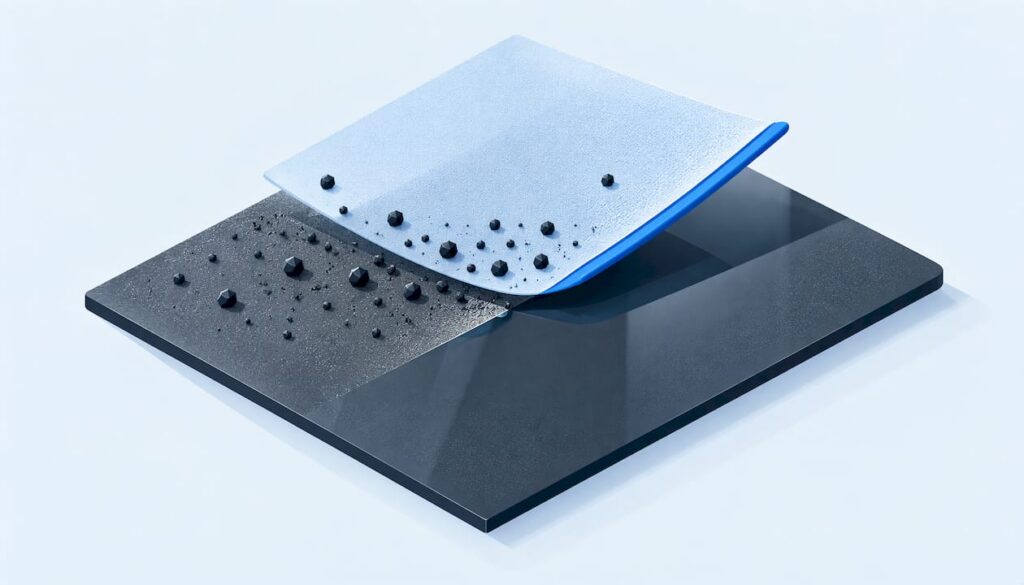
A waterless car wash is a spray-and-wipe method: a lubricating spray lifts light dirt off the paint, and you remove it with clean microfiber towels. It works well on dust, pollen and light road film. It is the wrong tool for mud, sand or winter salt. If you want it done right without the guesswork, a mobile detailer will come to your driveway or office, and you can find one near you on MobileDetailing.io, which is free for vehicle owners to use.
This guide explains what is in the bottle, how waterless differs from rinseless and hose washing, how to do it safely, how to read eco-friendly claims, and what to settle before you book a mobile detailer.
Table of Contents
- What a waterless car wash actually is
- Waterless vs. rinseless vs. a regular wash
- When a waterless wash is the right call
- How to do a waterless wash step by step
- Is a waterless wash eco-friendly?
- Matching the method to your vehicle
- When a mobile detailer is the better answer
- FAQ
- Sources
What a waterless car wash actually is
The name is a little loose. Waterless products are mostly spray-on formulas that use little to no water. They typically combine surfactants that help lift dirt, lubricants that reduce friction, emulsifiers that dissolve oil and grease, and polymers that leave a thin protective layer.
The idea is encapsulation. The spray surrounds each dirt particle with a slick film, so the towel can carry it away instead of dragging it across the clear coat. Water mostly acts as a carrier in these products, which is why some detailers say the term means “much less water” more than “no water” (Detailed Image).
Products like these can be used on paint, glass, chrome and plastic without a hose or water source, which is why they suit apartment dwellers, garages and event touch-ups.
Waterless vs. rinseless vs. a regular wash
Three methods get called “washing a car,” and they handle different amounts of dirt.
| Method | How it works | Water used | Best for |
|---|---|---|---|
| Waterless | Spray a panel, wipe, buff. No bucket. | None to very little | Dust, pollen, fingerprints, light film |
| Rinseless | Concentrate in a bucket, soaked towel or mitt, no final rinse | Roughly 2–3 gallons | Light to moderate film, a few bugs |
| Hose and bucket | Water floats grit off before the mitt touches paint | Roughly 40–140 gallons, by one estimate | Grit, sand, mud, salt |
The water figures and the best-use guidance come from a comparison of the three methods. Another explainer notes that the bucket in a rinseless wash carries dirt away, so rinseless can handle a dirtier car than waterless can.
The reason is physical. In a conventional wash, a lot of water floats grit off the paint before you touch it. Take the hose away and chemistry has to do that job. That is why a waterless wash is safe on dust and risky on grit: the margin comes entirely from how little dirt is on the car.
If you are weighing washing methods more broadly, our comparison of hand washing and automatic car washes covers the trade-offs there.
When a waterless wash is the right call
A waterless wash is a maintenance tool. It suits:
- A garage-kept car with a week of dust
- Fingerprints and light film between proper washes
- Show or event touch-ups
- A quick clean when you have no hose, such as in an apartment lot or office garage
- A ceramic-coated car being maintained between full washes
A maintenance-focused guide describes waterless as intended for light contamination, and that matches what independent testing found. Popular Mechanics reported that a spray-and-wipe took about 10 minutes and removed only light dust or dirt.
When to skip it
Stop and use water if you see any of these:
- Caked-on mud, sand or visible grit
- Winter salt and road grime
- Towels that feel grabby as you wipe
Scratching stays possible when grit is trapped between the towel and the paint, and misapplied products can embed dirt in the finish. Popular Mechanics also noted that some cheaper products rely on fillers that hide grime rather than lift it. Reading the ingredient list or safety data sheet helps you tell formulas apart.
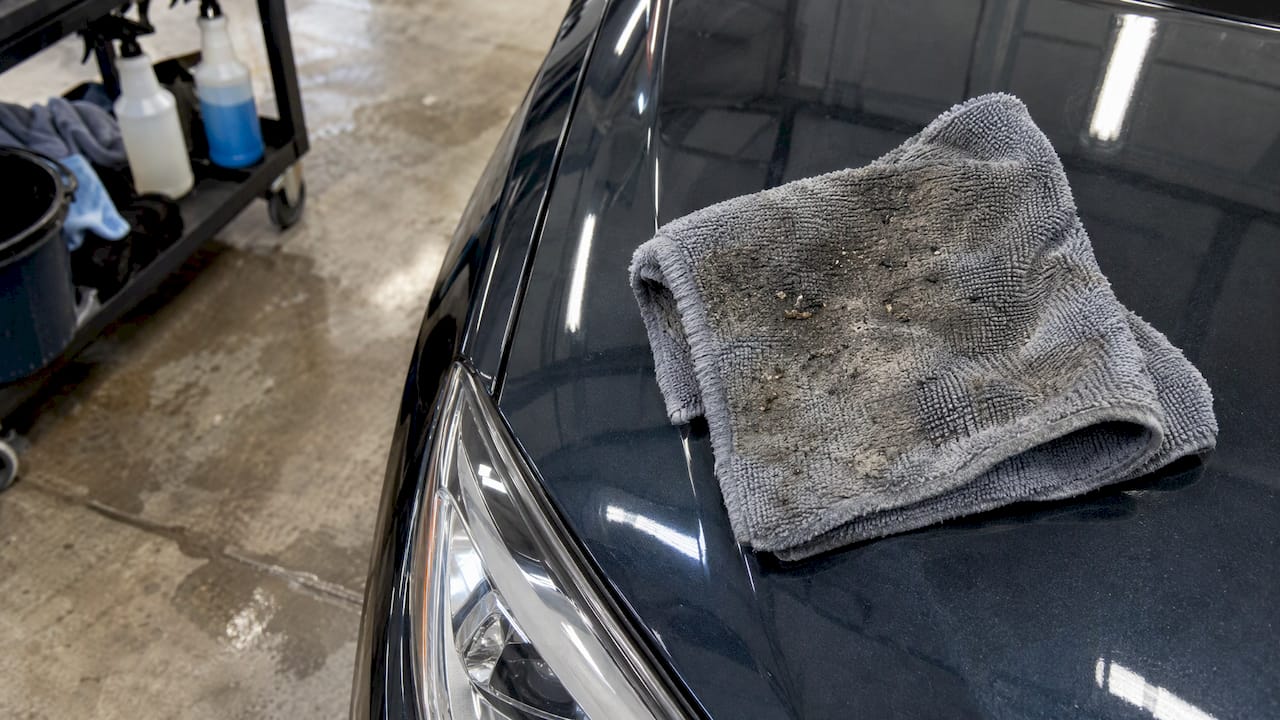
Towels matter as much as the spray. Old, overused or dirty towels are a leading cause of scratching with any wash method, and using too much product leads to streaking.
How to do a waterless wash step by step
Here is the routine most guides agree on.
- Check the car first. Run your hand lightly over the paint. If it feels smooth or only dusty, you can proceed. If it feels rough or you can see sand or mud, use a pre-rinse or a regular wash instead (Ethos Car Care).
- Work in the shade on a cool panel. Car and Driver advises against using these sprays on a hot surface or in direct sunlight, since the product dries before you can wipe.
- Spray one panel at a time. Popular Mechanics found the best results by letting the product sit for roughly 30 seconds.
- Wipe in straight lines with a folded, clean microfiber. Turn to a fresh side often. Don’t scrub in circles.
- Buff with a second, dry towel before the product dries.
- Go top to bottom, and keep the dirtiest areas, such as lower doors and bumpers, for last.
Use more product and more towels than feels necessary. One guide suggests stopping and switching to a rinseless or normal wash if a towel drags or you spot grit.
Where it goes wrong most often: reusing a towel that already picked up dirt, rushing a car that is dirtier than it looks, and washing in the sun.
Don’t use it to prep for ceramic coating
Waterless washes are not a proper preparation step before a coating. Typical waterless formulas contain ingredients that can repel the coating, and body shops avoid them where silicone-type chemicals can cause problems. A prewash with a neutral pH is the usual starting point, such as this pH 6.5–7.5 prewash guidance for ceramic coatings.
Coating installation is professional work. Paint correction, wet sanding and coatings call for a trained detailer, and so does any job involving hazardous chemicals. You can browse coating specialists on MobileDetailing.io, for example Ceramic Coating Pros in Beaumont, TX, or read about ceramic coating maintenance once a coating is on.
Is a waterless wash eco-friendly?
It saves water, and the savings are real. A city government comparison of waterless products notes that the average homeowner uses over 116 gallons each time they wash a vehicle at home. Penn State reports that a traditional driveway wash can use up to 150 gallons, while a car wash with a top-tier reclamation system uses about 10.
For comparison, the EPA’s WaterSense program reports that self-service bays average 15 gallons per vehicle, and conveyor washes without reclamation use far more.
Water is only part of the picture. The formula, packaging, shipping and towel laundering all count toward the total footprint, so think of waterless as a smart way to cut water on light jobs, not a zero-impact routine (Ethos Car Care). Washing with a hose also sends soapy runoff to storm drains, which a waterless wipe-down avoids.
How to read “biodegradable” and “eco-friendly” labels
Words like “green” and “natural” don’t tell you much alone. A buyer’s guide suggests looking for:
- Clear ingredient disclosure
- Recognized eco-labels or third-party testing
- A balanced pH that is safe for automotive finishes
- Low or no phosphates and low VOCs (volatile organic compounds, the fumes some cleaners release)
The Bothell, WA comparison is a useful reference for shoppers. It lists waterless products from $9.99 for 8.45 oz up to $31.49 for 32 oz, notes several that meet VOC standards, and flags one made entirely from plant-derived ingredients. Prices there reflect the time the document was published, so check current shelf prices.
Matching the method to your vehicle
| Your situation | Best fit |
|---|---|
| Garaged car, a week of dust | Waterless |
| Daily driver with light road film, no mud | Rinseless |
| Coated car between full washes | Waterless or rinseless |
| Winter salt, mud, sand | Flowing water |
That pairing follows Two Bucket Club’s guidance. Boats, RVs and aircraft follow the same logic at larger scale: light dust and water spots suit a spray-and-wipe, while heavy salt or grime needs a proper wash. Marine and aviation surfaces also have their own cleaners and care needs, so hiring a specialist is worth it. MobileDetailing.io lists marine pros such as Swift Marine Boat Detailing in Hialeah, FL and aircraft detailers such as Austin Aircraft Detailing.
When a mobile detailer is the better answer
Doing a waterless wash yourself makes sense for light upkeep. Once you want the interior done, stains or odors removed, paint corrected or a coating applied, or a fleet kept clean on a schedule, a professional who comes to you saves time and protects the finish.
MobileDetailing.io is a nationwide directory where you search by location, compare local mobile detailers for interior and exterior detailing, ceramic coating, paint correction and window tinting, and send a quote request. It is free for vehicle owners. Start with the free local quote form.
What to check before you book
One guide puts typical mobile detailing at $75–$150 for a basic exterior wash, $150–$300 for a full interior and exterior detail, and $300–$1,000+ for premium packages with coating and correction. Those are general ranges, not MobileDetailing.io prices, and local rates vary. Before you book, look at:
- Reviews and ratings
- Clear pricing
- Photos of past work
- Certifications or affiliations
- Insurance
A good detailer will also ask about your car’s condition before arriving, so mention pet hair, mud, salt or a coating up front. Those details decide whether a waterless approach fits or the job needs water. Say whether the detailer should bring their own water and power, and ask what products they use if eco-friendly matters to you.
FAQ
Is there such a thing as a truly waterless car wash?
Yes, in the sense that you use no hose or bucket. The spray itself contains some water as a carrier, so “waterless” really means a dramatic cut in water use. It works for light dust and film, not for mud or grit.
Can a waterless car wash scratch my paint?
It can if grit is trapped under the towel or if the towels are dirty. Check that the surface is only lightly dusty, use plenty of product, fold and turn clean microfibers often, and switch to a rinse wash if anything feels rough.
Is waterless the same as rinseless?
No. Rinseless uses a bucket with about 2–3 gallons of diluted concentrate and a soaked towel, then you dry. Waterless is a spray, wipe and buff with no bucket, and is meant for lighter dirt.
Can I use a waterless wash before a ceramic coating?
No. Typical waterless formulas leave ingredients that can interfere with coating bonding. Ask a professional coating installer to handle the prep and application.
Sources
- What is Waterless Car Wash and How Does it Work? (AutoZone)
- Waterless and Rinseless Washing (Detailed Image)
- Waterless vs Rinseless vs Traditional Car Wash (Auto Care Genius)
- Rinseless vs Waterless Car Wash (Two Bucket Club)
- Waterless vs Rinseless vs Traditional (Clean 85)
- Waterless Car Wash: How to Wash Your Car Without Water (Popular Mechanics)
- The Ultimate Guide to Rinseless and Waterless Car Washing (Super Detail)
- Your First Waterless Wash (Ethos Car Care)
- Best Waterless Car-Wash Sprays of 2026 (Car and Driver)
- Best Waterless and Rinseless Car Washes (Think Tuning)
- Prewash for Ceramic Coatings (Diamondbrite)
- Waterless Car Wash Comparison (City of Bothell, WA)
- Taking the water out of a car wash (Penn State)
- WaterSense at Work: Vehicle Washing (EPA)
- Skip the Hose for the Light Dirt Between Washes (Ethos Car Care)
- Biodegradable Car Wash Soap Guide (AAutomotives)
- Is Mobile Detailing Worth It? (Vision Detailing)
Recommended
- Hand Wash vs. Automatic Car Wash: Which Is Better?
- Dry Wash for Aircraft: How It Works and When to Use It
- When to Choose a Car Wash or a Detail
- Car Owners: Diagnose Water Spots First, Try a 30–60s Vinegar Fix
MobileDetailing.io provides general educational information. Products, surfaces and vehicle finishes vary. Follow manufacturer instructions and consult a qualified detailing professional before using abrasive processes or chemical treatments.