6 Window Tint Percentages, What 5–70% Looks Like for U.S. Drivers
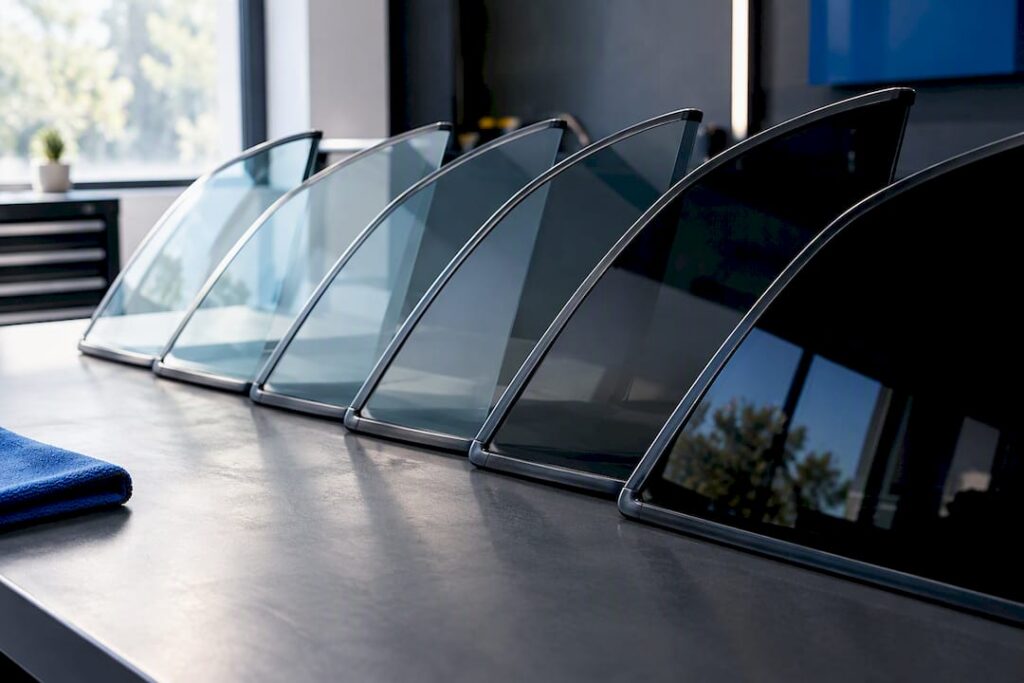
Window tint percentage refers to Visible Light Transmission, or VLT: the share of visible light that passes through your glass and film combined. The lower the number, the darker the glass looks and the less light gets through. Most drivers choose a VLT range that balances privacy and heat comfort without seriously impairing night visibility, but the right number for you still depends on your state’s legal minimum, so check that before you book an installer.
Table of Contents
- What Window Tint Percentages (VLT) Actually Measure
- What 5%, 15%, 20%, 35%, 50%, and 70% Tint Actually Look Like
- How Window Tint Laws Vary by State
- Does Tint Percentage Really Control Heat and UV Protection?
- How to Choose a Tint Percentage: A Practical Checklist
- Maintaining Your Tint and Knowing When to Replace It
- Finding a Vetted Local Tint Installer
- Where to Verify Tint Laws and VLT Specs
- Sources
- FAQ
What Window Tint Percentages (VLT) Actually Measure
VLT stands for Visible Light Transmission, and it is the single number every tint shop, state trooper, and film manufacturer uses to talk about darkness. A film rated at 35% VLT lets 35% of visible light pass through; a 5% film lets through only 5%, which is why it looks nearly opaque. The percentage always accounts for the tint film and the factory glass together, not the film alone, since factory glass on most vehicles already runs somewhere between 70% and 90% VLT before any film goes on.
Here is where things get complicated for real-world measurement. Labs test VLT using a spectrophotometer under controlled conditions, but officers in the field typically use a handheld light meter pressed against the glass, and those readings can vary slightly by device calibration and even glass curvature. The EWFA technical paper on VLT measurement lays out why lab and field numbers do not always match exactly, which matters if you are installing tint right at your state’s legal floor with no buffer.
VLT is also frequently confused with two other specs on a film’s data sheet: UV blocking and heat rejection, sometimes listed as TSER (Total Solar Energy Rejected) or tied to SHGC (Solar Heat Gain Coefficient). A film can carry a high VLT (meaning it looks light) and still block nearly all UV rays or reject a large share of solar heat. Windowfilm makes clear that VLT tells you almost nothing about heat or UV performance on its own. Coating type and glass thickness also shift how a given VLT number performs, according to Cardinal Corporation’s glossary on visible light transmittance.
What 5%, 15%, 20%, 35%, 50%, and 70% Tint Actually Look Like
Tint percentages cluster into a few practical bands, and once you have seen each one on a car, the numbers stop feeling abstract. Industry guides generally group them the same way: extremely dark, moderately dark, balanced, and barely visible.
Under 20% (limo tint territory). A 5% VLT film is what most people picture when they hear “limo tint.” It looks close to black from outside, and even at 15% or 18% you get very little visibility into the cabin during daylight. TintLegal’s guide to common tint percentages notes that 5% is the classic choice for limousines and privacy-focused rear windows, but it is also the darkness most likely to run afoul of state minimums on front side windows. Nighttime visibility takes a real hit at this level, especially in rain or on unlit roads.
20 to 35% (the popular middle ground). This band is where most daily drivers end up. A 20% VLT looks dark and sleek, common on rear windows and rear doors, while 35% is often called the “factory look” because it closely matches the tint many trucks and SUVs ship with from the manufacturer. Choosing between them usually comes down to how much you value a stealthy look versus wanting maximum clarity after dark.
It knocks down glare and blocks some heat and UV, but from outside the car it barely reads as tinted at all. Drivers who want the wellness benefits of tint (less sun fatigue, less fade on interior materials) without changing the car’s appearance tend to land here.
It is common on windshields, where most states cap any aftermarket film at a light shade or restrict it to a strip above the manufacturer’s AS-1 line.
A few patterns show up across most installs:
- Rear windows and the rear windshield are typically tinted darker than front doors, since many states apply looser rules (or no rules) to anything behind the driver.
- Front driver and passenger windows usually get the lightest legal tint on the car, because that is where officers check compliance most often.
- SUVs and vans sometimes get away with darker rear tint under multi-purpose vehicle rules that do not apply to sedans.
- People choosing 5% tint are almost always prioritizing privacy or a show-car look over any functional benefit.
How Window Tint Laws Vary by State
There is no federal law setting a single legal darkness limit for aftermarket window tint on private vehicles in the United States. Instead, each state legislature sets its own Title 49 glazing framework baseline and then layers state-specific VLT minimums, reflectivity limits, and windshield rules on top.
Front-side window minimums are the most commonly cited figure, and they cluster around a handful of values nationwide. Maintained charts like the one from TintWiz’s state-by-state tint law reference show many states settling near 70%, 50%, 35%, or 20 to 25% for front doors, with a large number of states permitting darker film on rear side windows and the rear windshield.
State law does not stop at VLT. A few other variables show up in statute and catch drivers off guard:
- Windshield strips. Most states allow a tinted strip along the top of the windshield, usually a few inches or tied to the manufacturer’s AS-1 line, but the exact allowance differs by state.
- Reflectivity limits. Some states cap how mirror-like or reflective a film can look, separate from how dark it is.
- Color restrictions. Red, amber, and other tinted colors are banned outright in a number of states, regardless of VLT.
- Mirror requirements. A handful of states require dual side mirrors if rear window tint drops below a certain VLT, since the driver’s rear visibility through the glass is reduced.
- Medical exemptions. Many states offer exemption permits for drivers with documented photosensitivity conditions, letting them install darker-than-legal tint with proper paperwork. Arizona’s MVD publishes a clear example of how that exemption process works at the state level, and other state statute trackers document similar mirror and exemption rules elsewhere.
Before any install, pull up your own state’s DMV or legislature page and read the actual statute language, not just a tint shop’s summary. A reputable installer should also know your state’s limits without hesitation and should never suggest going darker than what is legal “because nobody checks.”
Does Tint Percentage Really Control Heat and UV Protection?
VLT tells you how dark a window looks, but it does not tell you how much heat or UV that film blocks. Two films can carry the identical VLT number and perform completely differently on a 95 degree afternoon, because heat rejection depends on film construction, not darkness.
Dyed films are the cheapest option and rely mostly on darkness to cut glare, offering limited heat rejection for a given VLT. Metalized films reflect more infrared energy and reject noticeably more heat at the same VLT, though they can interfere with radio or GPS signals in some vehicles. Ceramic films use non-metallic, non-conductive particles to reject heat without that signal interference, and they generally deliver the strongest heat rejection per percentage point of VLT among common film types, which is the core reason people ask whether ceramic tint is worth the higher price. For drivers comparing carbon versus ceramic tint, carbon sits in between: better heat performance than dyed film, less signal interference than metalized film, at a lower cost than ceramic.
UV blocking runs on an almost entirely separate track from VLT. A light 70% film can still block the vast majority of UV rays, since WindowFilm.com’s guide confirms UV performance depends on the film’s construction, not how dark it looks. If protecting your skin or preventing dashboard and upholstery fade is the goal, check the UV-blocking spec on the product sheet directly, as noted in Homerous’s overview of tint levels, rather than assuming a darker film automatically protects better.
Night visibility is where darker tint has a real, measurable downside.
How to Choose a Tint Percentage: A Practical Checklist
Picking a percentage gets easier once you separate your goals from the legal ceiling. Walk through this before calling anyone:
- Define your main goal. Privacy, heat reduction, UV protection, and interior fade prevention each point toward slightly different choices, and darker is not automatically better for any of them except privacy.
- Check your state’s front and rear minimums first. Whatever number you land on for the front doors has to clear your state’s legal floor, no exceptions without a medical permit.
- Factor in your factory glass. Many factory-tinted rear windows already sit near 70 to 80% VLT before any film goes on, which changes the final combined reading after installation.
- Consider your driving conditions. Frequent night or rainy driving is a good argument for staying at 35% or lighter rather than chasing the darkest legal shade.
- Ask about film type separately from VLT. Decide whether dyed, carbon, or ceramic film fits your budget and heat-rejection needs before locking in a percentage.
When you talk to an installer, ask direct questions: What VLT will the finished install measure, and with what meter? Can you see the manufacturer’s spec sheet for UV blocking and TSER? What warranty covers fading, bubbling, or peeling? What is the removal policy if a state trooper flags the film as non-compliant?
Pro Tip: Ask the installer to measure your car’s finished VLT with a meter before you leave the shop, and get that number in writing. A shop that hesitates to prove the reading is a shop you should not trust with a legal question that could cost you a citation.
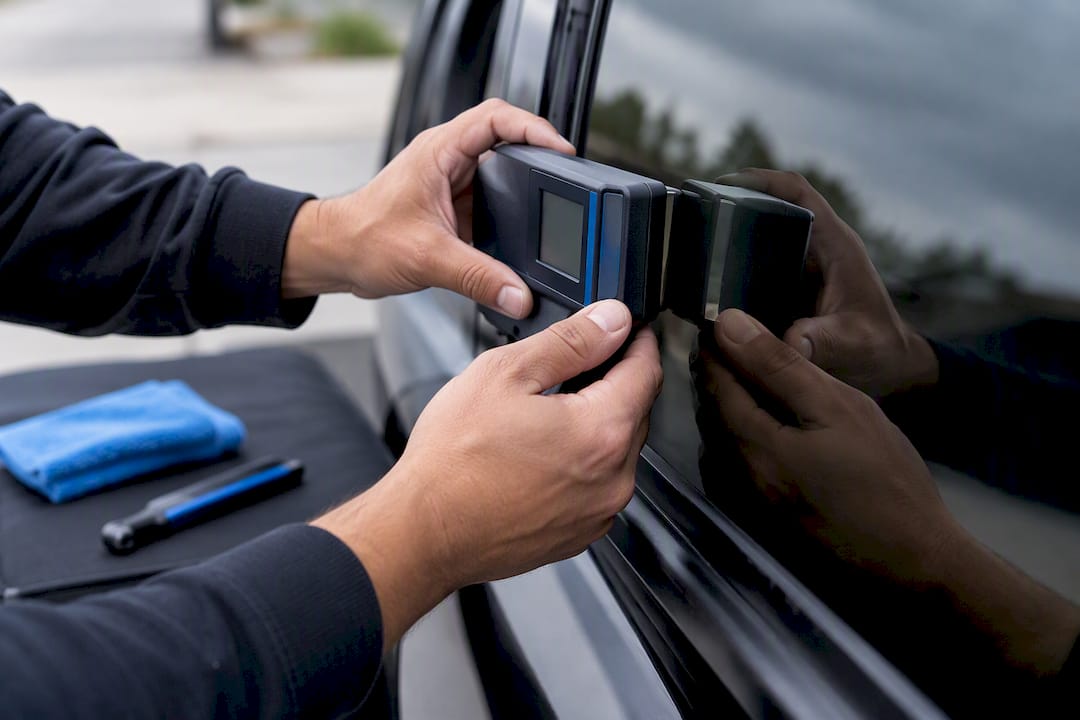
Walk away from any installer who cannot produce a VLT reading, who promises to tint you darker than your state allows “and it’ll be fine,” or who will not put a warranty in writing.
Maintaining Your Tint and Knowing When to Replace It
Quality film installed correctly can last many years, but it does age, and catching the early signs saves you from a hazy, bubbled windshield view later. Purple or brown discoloration is usually the first sign of a cheap dyed film breaking down under UV exposure. Bubbling or peeling at the edges means the adhesive has failed, and once that starts it typically spreads rather than stabilizes.
Basic care extends film life considerably. Skip automatic car washes with hard brushes for the first several days after install while the adhesive fully cures, and avoid ammonia-based glass cleaners permanently, since ammonia breaks down tint adhesive over time. A simple mix of mild soap and water, or a cleaner specifically labeled safe for tinted glass, is the safer everyday choice.
If you notice reduced visibility from clouding, a shift in color, or peeling near the window edges, that is your cue to have a professional inspect the film rather than trying to patch or re-adhere it yourself. Tint removal involves heat guns, adhesive solvents, and careful blade work close to defroster lines, which is a job best left to someone who does it regularly rather than a weekend DIY project.
Finding a Vetted Local Tint Installer
A nationwide directory can be a practical starting point once you know your target VLT and your state’s legal limits: these platforms connect you with local mobile detailing professionals who offer window tinting alongside interior detailing, exterior detailing, and ceramic coating. Instead of cold-calling shops or guessing at reviews, you can browse listings in your area, compare the services each business offers, and request quotes directly through the platform.
When you reach out to a listed installer, bring the same questions covered above: ask for proof of finished VLT, confirm the film’s UV and heat-rejection specs, and get compliance with your state’s tint law in writing before the work starts. To get quotes from mobile detailers near you who handle window tinting, visit Mobiledetailing and compare your options before committing to an installer.
Where to Verify Tint Laws and VLT Specs
For statute-level accuracy rather than shop opinion, go straight to primary sources. TintWiz’s state law chart tracks front, rear, and windshield minimums by state, while the EWFA’s technical paper on VLT explains how measurement standards work. Your state DMV or legislature website remains the final word on your specific limits.
Sources
FAQ
Is 20% Tint Legal in Texas?
No. Always confirm current limits on your state’s official tint law chart before installing.
Is 35% or 20% Tint Darker?
The VLT percentage is the share of light let through, so the lower number blocks more light and looks noticeably more opaque from outside the vehicle.
Is 5% Tint Legal in California?
Check California’s current statute directly or through a maintained state law reference before assuming any darkness level is compliant.
Is 15% Tint Legal in Pennsylvania?
Confirm the exact current figures through Pennsylvania’s DMV or a statute tracker before booking an install.
What Is the Best Tint Percentage for Most Cars?
Drivers who prioritize privacy over a stock look often move to 20%, where legal, while those who drive mostly at night or in rain tend to stay at 35% or lighter for better visibility.
MobileDetailing.io provides general educational information. Products, surfaces and vehicle finishes vary. Follow manufacturer instructions and consult a qualified detailing professional before using abrasive processes or chemical treatments.